


Blog
Flexible Workspaces Vs Traditional Offices In Dubai

Feb
Flexible workspaces vs traditional offices debate has gained prominence as companies seek to maximize minimalism for productivity, collaboration and growth. As flexible workspaces are characterized by adaptability and communal nature, they offer an alternative to the conventional rigidity of traditional office settings. Against the backdrop of rapid UAE’s corporate designs harmonizing tradition and modernity, understanding the implications of this query highly benefits commercial renovations thriving in the modern era. While it may be true, consider this comparative analysis of flexible workspaces and traditional offices within the context of Dubai. Most importantly is exploring their respective advantages, challenges and suitability in meeting the needs of today’s dynamic workforce. By examining the variations of each approach, we aim to provide insights into the evolving nature of workspace design and its impact on organizational success alongside Dubai Office Furniture industry.
What are Flexible Workspaces?
Flexible workspaces are office environments designed to accommodate the various work styles, tasks and preferences. They offer versatility and adaptability to meet the evolving needs of modern office working professionals. Flexible workspaces are characterized by their ability to be easily reconfigured. Simply in a way that allows occupants to choose from a variety of settings based on their specific work requirements. Such spaces usually include open-plan areas for collaborative work, indoor glass partitions or private cubicle offices for focused tasks, lounge areas for informal meetings or relaxation and shared amenities such as meeting rooms, office booth and pods and communal kitchen areas.
Essence of Flexible Workspaces
Flexible workspaces emerged as a dynamic solution to traditional office settings in response to the evolving needs of the modern workforce. These flexible environments are the best to offer a departure from the conventional nine-to-five routine. Without doubt, they provide individuals with the freedom to choose where, when and how they work.
Being adaptable environments, they accommodate fluctuations in workload, team sizes and project requirements. As a result, efficient space utilization is effective. This adaptability is facilitated by versatile furniture arrangements, modular layouts and advanced technology infrastructure. In a word, they enable seamless transitions between individual work, group collaborations and client meetings.
Traditional Office Environments in Dubai
Traditional office environments have long been the basis of corporate culture, embodying stability, structure and professionalism. They typically exist by fixed layouts, hierarchical structures and designated workstations. These offices adhere to a more rigid approach to work organization and employee interaction.
Identifying A Traditional Office in Dubai
- Traditional office environments in Dubai prioritize stability and control by providing occupants with dedicated spaces for focused work and minimizing distractions.
- These environments reflect a clear hierarchy and delineation of roles within the organization. They range from private executive offices for senior executives to cubicles for middle management and open big-house for junior staff.
- Traditional office environments emphasize privacy. With office partitions, cubicles and closed-door offices offering employees a sense of seclusion and confidentiality.
- Dubai traditional office environments incorporate sophistication and luxury elements. They elevate office first impressions in reflection of the city’s status as a global business hub.
- These spaces convey an image of prestige and success as they enhance the organization’s brand and reputation. They exhibit areas such as opulent reception areas, lavish executive suites and meticulously designed boardrooms.
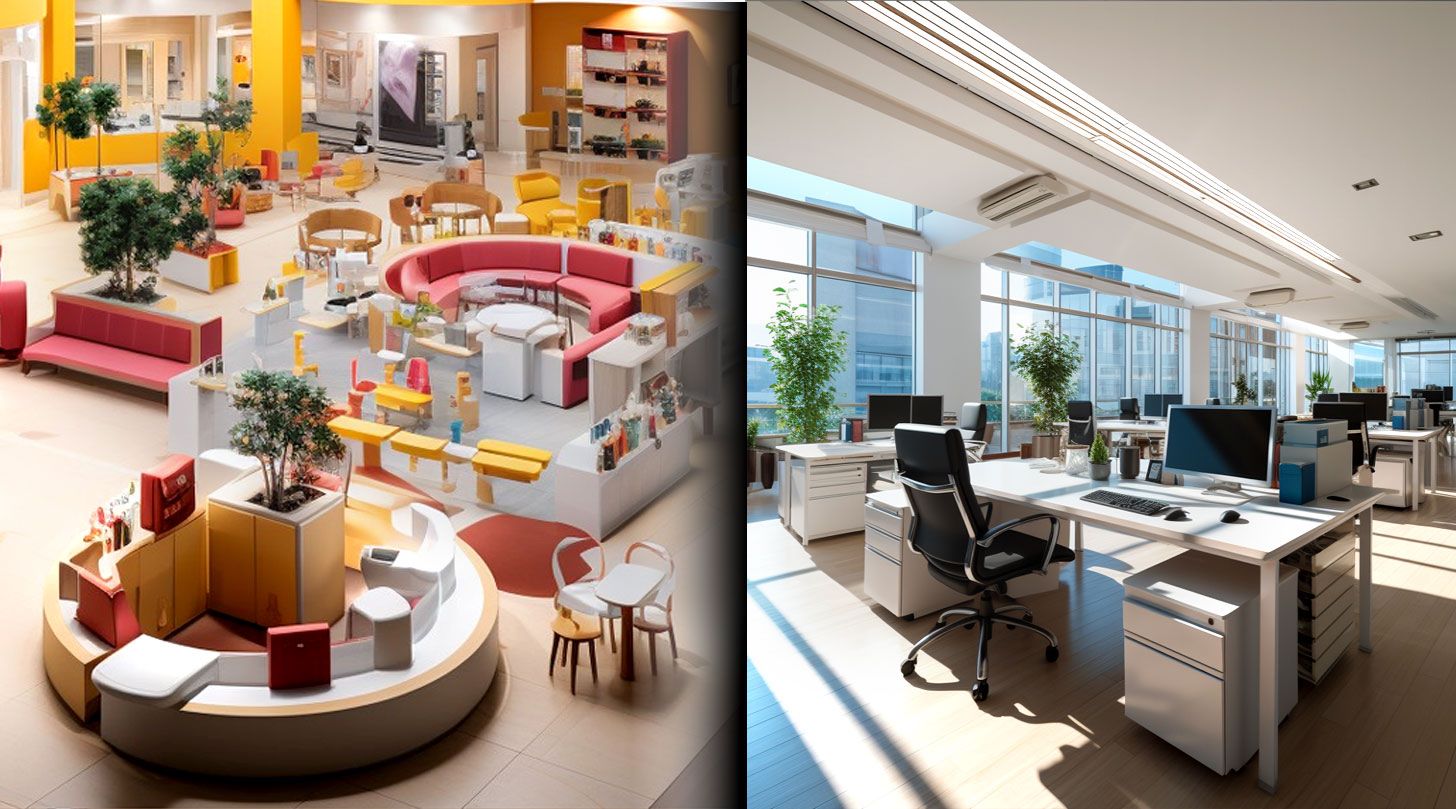
Comparative Analysis: Flexible vs Traditional Office Space
The choice between flexible workspaces and traditional offices represents a fundamental decision which can significantly impact organizational dynamics and performance. So, this comparative analysis of these two approaches reveals distinct advantages coupled with challenges. It highlights the factors businesses have to consider when selecting the most suitable workspace model for their preferences.
-
Flexibility and Agility
Flexible workspaces offer unparalleled adaptability which allows organizations to scale resources up or down quickly in response to changing demands. In contrast, traditional office environments are characterized by fixed layouts and structures. Such a setting limits agility and hinders responsiveness to market fluctuations or project requirements.
-
Collaboration and Innovation
A flexible workspace aids a culture of collaboration coupled with innovation. It breaks down physical barriers and encourages spontaneous interactions among employees. In contrast, a traditional office environment may unintentionally stifle creativity and hinder cross-functional collaboration due to their compartmentalized nature. However, they the best when it comes to providing privacy and hierarchy with an organization.
-
Cost Considerations
Most flexible workspaces offer cost advantages, particularly for startups and small businesses. Simply because they eliminate the need for large upfront investments in real estate and infrastructure. While traditional offices exude prestige and professionalism, comes with higher overhead costs associated with leasing, maintenance and utilities. Such obligations can strain budgets most especially in competitive markets like Dubai.
-
Productivity and Employee Satisfaction
Flexible workspace designs prioritize employee comfort and well-being. They’re bound to offer amenities such as ergonomic office furniture, communal areas and on-site services to enhance productivity and satisfaction. While traditional office environments provide a sense of stability and security, they struggle to accommodate the diverse needs and preferences of a modern workforce. In this case they potentially impacting morale and engagement.
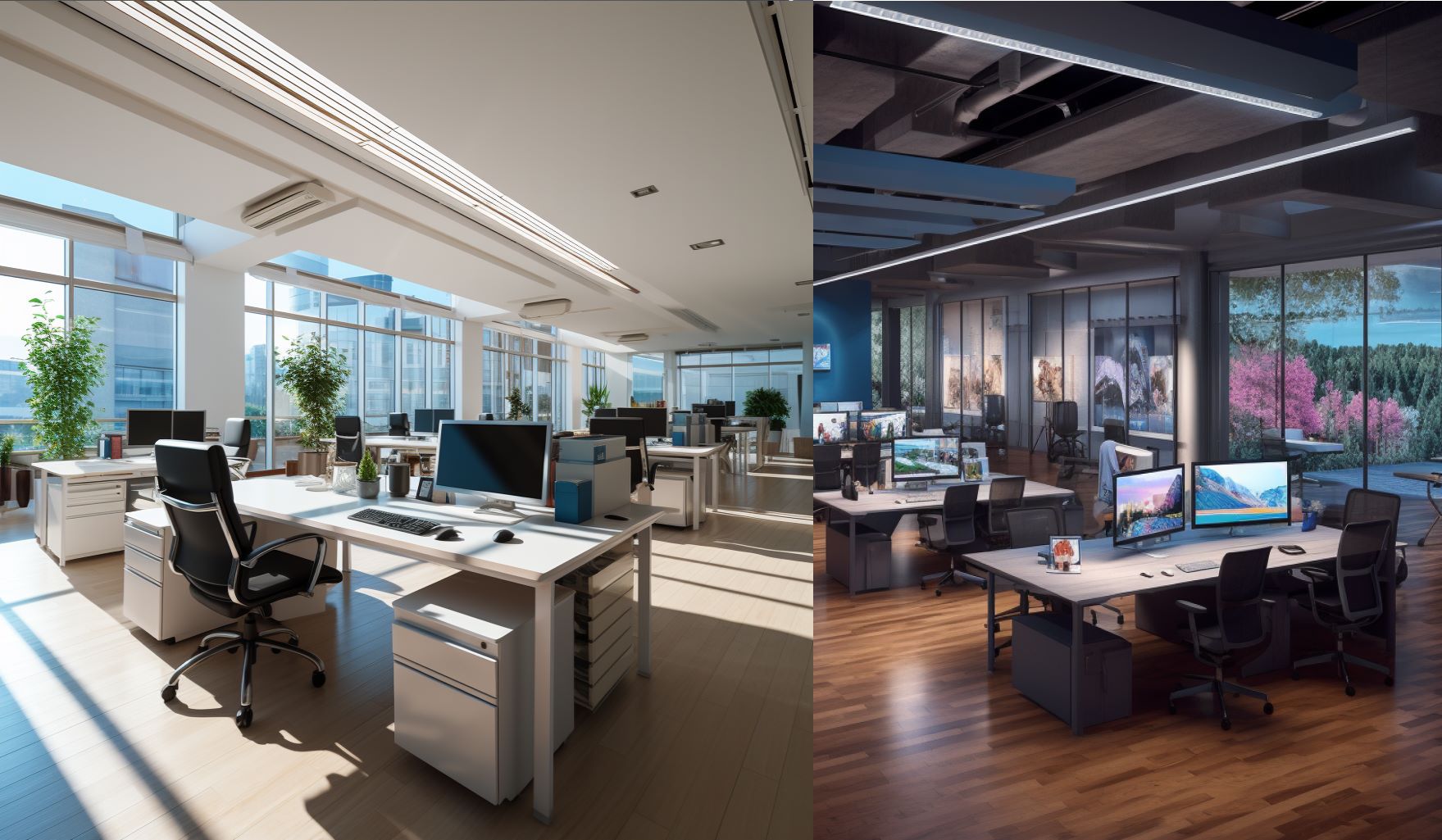
Flexible Vs Traditional: What’s Suitable for Dubai’s Business Landscape
In the cosmopolitan and fast-paced business landscape of Dubai, choosing either flexible workspaces or traditional office environments hinges on their suitability for meeting the unique needs and dynamics of the city’s corporate culture.
-
Cultural Considerations
Dubai’s business culture is influenced by harmonizing tradition and modernity, where professionalism, hospitality and respect are paramount. While traditional offices align with Dubai’s emphasis on hierarchy and privacy, flexible workspaces offer opportunities to embrace innovation and adaptability. With such intentions, it reflects Dubai’s forward-thinking approach to business.
-
Economic Factors
Dubai’s economic landscape trends with rapid growth, diversification and a thriving entrepreneurial spirit. For startups, SMEs and multinational corporations alike, the cost considerations associated with establishing and maintaining office spaces are significant. Flexible workspaces provide a cost-effective solution. They offer scalability and shared resources without the upfront investment required for traditional offices.
-
Future Trends
As Dubai continues to position itself as a global business and innovation hub, the demand for flexible workspaces is on the rise. The city’s entrepreneurial ecosystem couples itself with ambitious initiatives such as Dubai 2040 Urban Master Plan together with Dubai Future Foundation. They emphasize a shift towards agile and collaborative workspace models which foster creativity, agility and connectivity.
-
Adaptability and Innovation
In a rapidly evolving business landscape, adaptability and innovation are key drivers of success. Flexible workspaces offer organizations the agility to respond quickly to market changes, experiment with new ideas and attract top talent in a competitive market. By embracing flexibility and collaboration, businesses stay ahead of the curve and capitalize on emerging opportunities in Dubai’s dynamic business environment.
While traditional office environments have long been entrenched in, the evolving nature of business demands a reevaluation of workspace models. Flexible workspaces offer a compelling solution which aligns with Dubai’s ethos of innovation, collaboration, and adaptability, making them well-suited for meeting the needs of organizations seeking to thrive in the city’s dynamic business landscape.
Workspaces Challenges and Considerations
Both flexible workspaces and traditional office environments present unique challenges and considerations. Businesses carefully weighing the pros and cons of each workspace model and implement strategies mitigating potential risks.
-
Security and Privacy Concerns:
One of the primary challenges associated with flexible workspaces is the potential compromise of security and privacy. With open layouts and shared facilities, sensitive information may be at risk of unauthorized access or breaches. In contrast, traditional office environments offer greater control over access and confidentiality, providing a sense of security for sensitive operations and confidential discussions.
-
Maintenance of Company Culture and Identity
To maintain a cohesive company culture and identity usually becomes challenging in flexible workspaces. Participants reside across different locations or may not have consistent interactions with colleagues. Building a strong sense of belonging and fostering team cohesion requires intentional efforts to create opportunities for collaboration, communication and socialization, regardless of the workspace model.
-
Regulatory Compliance and Legal Considerations
For businesses operating in highly regulated industries or sensitive sectors, navigating regulatory compliance and legal considerations is another area of concern. Flexible workspaces usually face challenges in ensuring compliance with legal requirements related to data protection regulations, health and safety standards. Not forgetting that lease agreements and contractual obligations may vary between flexible workspace providers, requiring thorough due diligence and legal review.
-
Cost Management and Budget Allocation
While flexible workspaces offer cost advantages in terms of flexibility and shared resources, managing expenses and budget allocation poses a challenge for organizations. Most especially during periods of uncertainty or fluctuating demand. Balancing the benefits of cost savings with the need for long-term stability and financial predictability requires careful planning and strategic decision-making.
-
Employee Experience and Well-being
The employee experience and well-being are critical considerations in both flexible workspaces and traditional office environments. So, creating a supportive and conducive work environment promoting productivity, engagement and work-life balance becomes essential for attracting and retaining top talent. This can be through amenities like Dubai office Furniture, wellness programs or flexible work arrangements for which organizations must prioritize employee well-being regardless of the workspace model chosen.
The optimal workspace model for businesses in Dubai ultimately depends on their unique objectives, values and operational requirements. With this in mind, an organization can easily make informed decisions that align with their strategic goals and drive success in the city’s vibrant and competitive market. They need to carefully weigh the benefits as well as the challenges of each approach and considering the cultural, economic and regulatory factors shaping Dubai’s business landscape.
