
Blog
What Exactly is a Hybrid Workplace? Work in the Future
Feb
Several factors have contributed to the rise of the hybrid workplace. The hybrid work paradigm is gaining popularity as a result of several factors, including the need to reduce energy use in the wake of the COVID-19 pandemic, concerns about global warming, and the desire to increase output. We discovered that a hybrid strategy is very useful in some sectors, while in others, personal contact is still essential. The hybrid workforce is always changing to adapt to the ever-evolving terrain of the hybrid workplace.
A Look at the Hybrid Setting
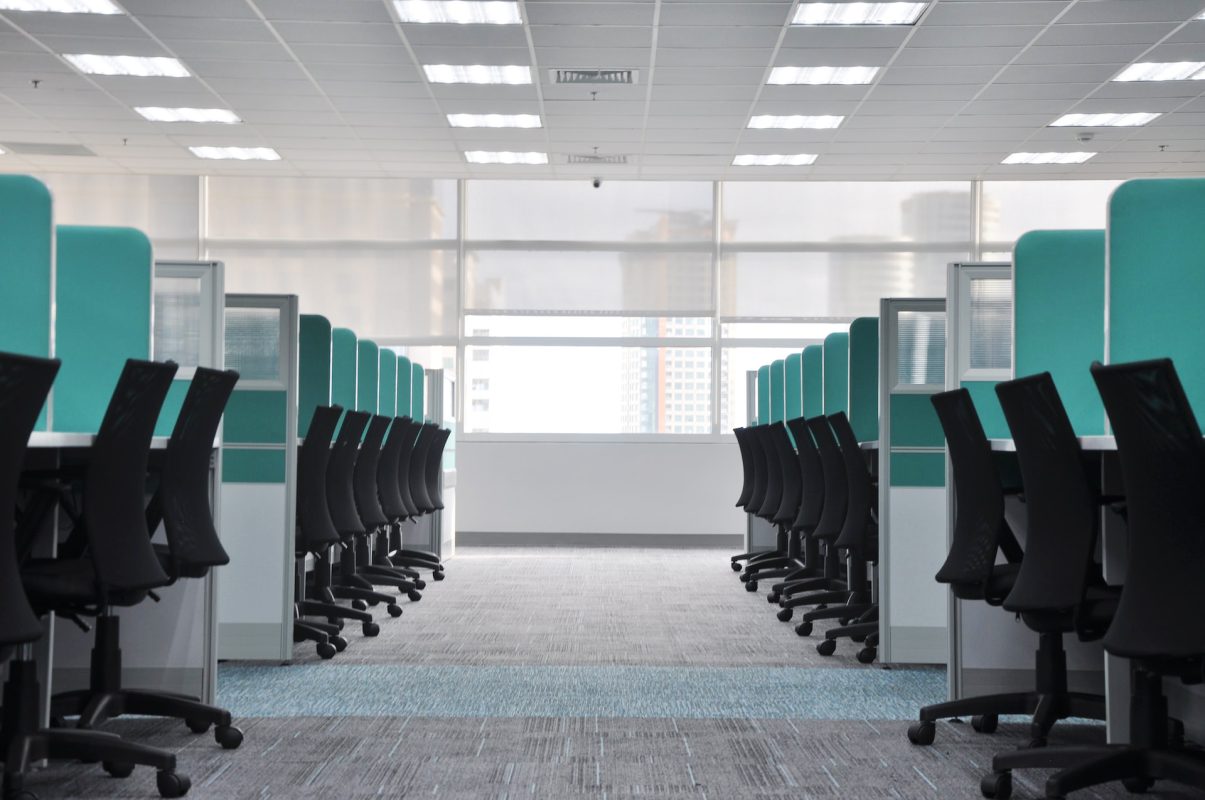
In other fields, such as healthcare, the hybrid workplace is already the norm. If it has the resources it needs, an office can be highly productive. Even when some work is done away from the office, it’s important to maintain a similar atmosphere there. It’s crucial to provide workers with a pleasant and productive environment to work in during their time at the office. Despite the obvious differences between working from home and working in an office, it’s crucial to keep some aspects of both environments consistent. Workers can enjoy the same degree of privacy in their assigned office workstations as they would if they were working from home. One of the most effective methods of providing this to workers is through the installation of personalized cubicles. A cubicle provides privacy for workers but doesn’t isolate them from one another. Workspaces can be arranged in groups to encourage conversation, or individuals can have their own dedicated cubicles.
Hybrid Workforce
Both employers and workers stand to gain from a more flexible hybrid workplace. Hybrid workplaces can boost output because they provide workers with more control over their workday. Having the option to work in locations other than an office could boost morale. Employees’ improved ability to deal with mental health issues and stress outside of work should have a positive impact on their productivity. New advantages will be discovered when the number of people working in hybrid roles increases and the model proves to be successful. The number of people working in hybrid roles keeps rising. Workers have come to appreciate the hybrid model’s adaptability, and businesses have gained insight into the model’s potential success. Hybrid business strategies are proving successful in a growing number of sectors. As businesses gain knowledge about their specific environment, they adapt their strategies accordingly. As more businesses discover what is feasible within their own walls, they are adopting this strategy. This phenomenon is a major factor in the expansion of the hybrid workforce.
Future of the Hybrid Workplace
The Future of Work report from AT&T was recently featured on Forbes. The results of the study shed light on the implications of hybrid workplaces in terms of development, diversity, and priority areas. According to the results, a lack of teamwork is one of the major problems that needs fixing. Workplace cooperation is easier said than done when employees aren’t physically in the same location, but technology has made remote communication much more efficient. There are challenges inherent in the mixed workplace approach. Due to the fact that poor teamwork is a major issue with the hybrid model, it is crucial to make the most of all in-person possibilities for cooperation and productivity. Cooperation is essential in the workplace because of the limited time available for it. In order to maximize output in a team context, it is essential to foster an atmosphere that facilitates open dialogue.
“New advantages will be discovered when the number of people working in hybrid roles increases and the model proves to be successful.”
Gallup, a data analytics firm, recently published an essay stressing the advantages of allowing workers to telecommute or participate in a hybrid office/home environment. According to Gallup, nearly half of all full-time employment may be performed entirely remotely. A lot of companies probably won’t want to make that change, but they might see an upside to giving their workers more leeway. According to a Gallup poll, the vast majority of workers want the option to work both from the office and remotely. A company may opt to have a defined schedule, while others may prefer to give workers more leeway in how they spend their time at the workplace.
Creating Your Own Personal Cubicle
The bespoke cubicle has various uses in the office. One of the benefits is that the cubicles can be rearranged and relocated to better suit the demands of the staff. Depending on the task at hand, the cubicles can be rearranged, reassembled, or deconstructed. It’s helpful for project teams to have this information at their disposal. The adaptable nature of the custom cubicle makes it a wonderful answer for today’s dynamic workplace, allowing employees to work independently from other teams and distractions, or to collaborate with others as needed.
“In order to maximize output in a team context, it is essential to foster an atmosphere that facilitates open dialogue.”
Hot desking or desk hoteling is another popular workplace trend that can be supported by custom cubicles. Consider using one of these two desk-sharing arrangements to make the most of the space available to your hybrid workforce. Whenever a company implements a new method of working, such as the hybrid model, there will always be a learning curve. There is a lot to think about while planning an actual office. Custom cubicles provide breathing room during a hybridization changeover. Custom cubicles are a great option for a dynamic workplace like a hybrid because of their adaptability and portability.
Incorporating Collaborative Strategies into the Hybrid Workplace
Individualized cubicles should complement hybrid office layouts. Workplaces are always evolving, and so should modern office furniture in the office. It’s simple to add more cubicles to existing clusters or groups as new employees or personnel are brought on board. To accommodate a larger staff in the event of a switch from a hybrid to an in-person model, it is simple to install more specialized cubicles. Custom cubicles, with their many design options, can help keep costs down and dangers to a minimum as businesses move toward hybrid structures. Interpersonal interaction in the workplace is a necessity that will never go away. This is especially the case if one hopes to inspire people to work together and come up with new ideas. Productivity and teamwork in the workplace will always be vital, regardless of whether or not a hybrid setup is in place. By providing this setting with our collaborative office furniture, we can satisfy the needs of both employees and employers.
