


Blog
How Can Office Furniture Designs Support Workplace Accessibility
Nov
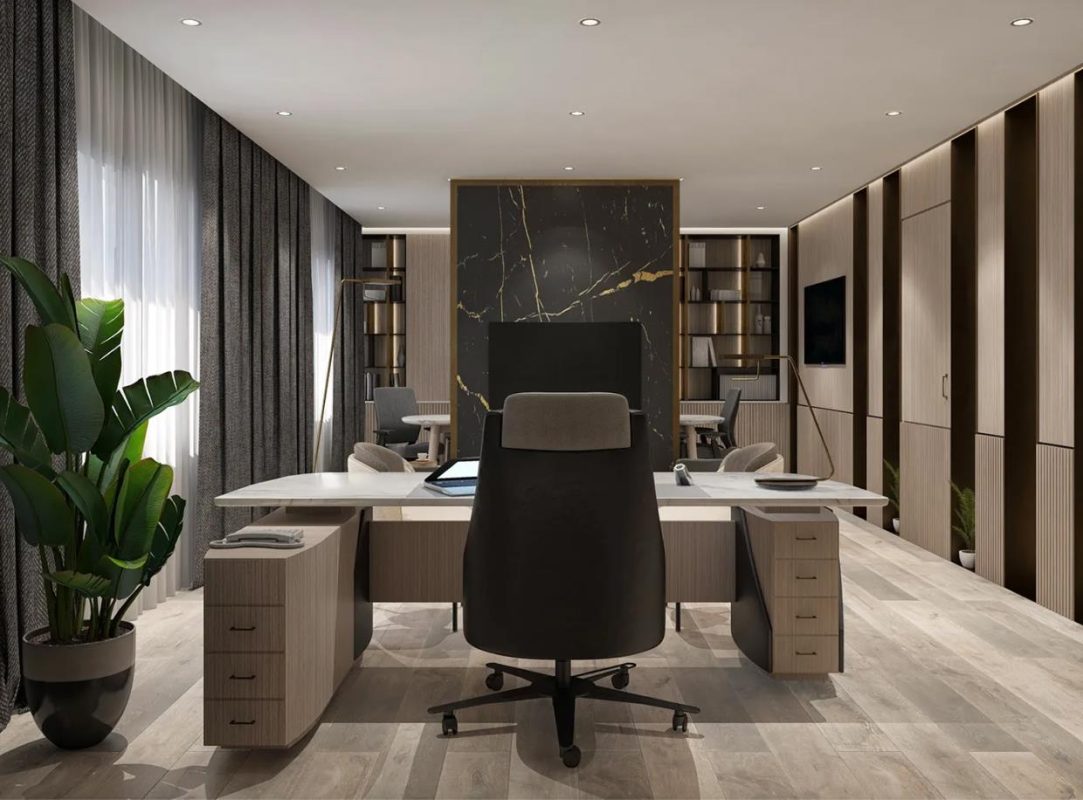
Office furniture designs take a center stage in supporting a modern workplace accessibility. The relationship between how the office furniture is arranged and how easy the workplace is to use generate a context where all individuals can prosper, no matter their physical limitations. In this intricate dance of modern workspaces in 2023, where innovation meets collaboration and creativity intertwines with productivity, the significance of creating an inclusive environment cannot be overstated. Beyond ergonomic considerations, this exploration will navigate the realms of universal design principles and the transformative power accessible office furniture wields in shaping workspaces with in the collective culture of organizations. As we unlock the potential of office furniture to be a conduit for inclusivity, we are poised to shape a future where every employee’s unique capabilities contribute harmoniously to the symphony of success.
Understanding Workplace Accessibility
The first step to grasp the intricate relation between how the office furniture is designed and how accessible the workplace is, is to uncover the core of accessibility. Workplace accessibility transcends the mere physical realm; it’s a holistic approach encompassing the entire work environment, fostering an atmosphere where every individual, irrespective of their physical abilities, can perform tasks comfortably and efficiently.
From physical accommodations to digital interfaces, the concept of accessibility embodies the ethos of creating an environment that caters to diverse needs. This section will illuminate the multifaceted nature of workplace accessibility, setting the stage for an in-depth exploration of how office furniture design can be a pivotal force in bringing these principles to life.
The Impact of Office Furniture on Accessibility
As we navigate the intricate landscape of workplace accessibility, the role of office furniture emerges as a linchpin in shaping an inclusive environment. The table below explores the symbiotic relationship between office furniture design and accessibility. It clarifies how the workspace accessibility is affected by the choice of desks, chairs, workstations, and layout. From ergonomic considerations to spatial arrangements, we’ll uncover the profound impact that intentional furniture design can have on creating an inclusive workplace that caters to the diverse needs of every individual. By understanding this dynamic interplay, organizations can leverage furniture as a powerful tool to foster a culture of accessibility, thereby nurturing an environment where everyone can contribute their best.
Challenge |
Solution |
|
Desk Heights |
Fixed desk heights that are not adjustable pose difficulties for individuals using wheelchairs or those with varying mobility needs. | Adjustable desks, allowing customization to accommodate different heights and mobility requirements. |
Chair Design |
Chairs without proper lumbar support or those with armrests that hinder lateral movement can be problematic for individuals with certain physical conditions. | Adjustable desks, allowing customization to accommodate different heights and mobility requirements |
Workspace Layout |
Cluttered or narrow pathways between workstations can create challenges for people with mobility aids or vision impairments. | Thoughtful layout planning, incorporating wider pathways and organized spaces, promotes easy navigation for everyone |
Technology Integration |
Office furniture with poorly placed power outlets or inaccessible technology hinders individuals with disabilities. | Inclusive office furniture design includes convenient access to power sources and strategically placed technology for universal use. |
Color and Contrast |
Furniture finishes and materials that lack color contrast may pose challenges for individuals with visual impairments. | Choosing materials with distinct colors and incorporating contrast helps individuals perceive and navigate the workspace more easily |
Adaptable Workstations |
Fixed workstations may limit the ability to accommodate personal adjustments for different users. | Providing adaptable workstations with features like height-adjustable desks and customizable accessories promotes a flexible and inclusive workspace. |
Collaboration Spaces |
Collaborative office furniture without considerations for diverse needs may exclude some individuals from participation. | Designing collaborative areas with a variety of seating options and inclusive arrangements ensures everyone can engage comfortably. |
The Strategies for Adapting Office Furniture to Diverse Abilities.
These strategies promote an inclusive positive and supportive corporate culture. Listed below are several effective strategies:
-
Training and Awareness Programs
Conduct training sessions to raise awareness about diverse abilities and the importance of creating an inclusive workspace. Encourage employees to communicate their needs to facilitate a supportive environment.
-
Modular Furniture Solutions
Invest in modular office furniture designs that can be easily adjusted and reconfigured. This allows for personalized setups to accommodate various physical needs and preferences.
-
Height-Adjustable Desks
Provide height-adjustable desks to accommodate employees who may use wheelchairs or have specific ergonomic requirements. This flexibility ensures that workstations can be tailored to individual comfort levels.
-
Ergonomic Seating Options
Offer a variety of ergonomic seating options, including chairs with adjustable features like seat height, lumbar support, and armrests. This caters to diverse body types and accommodates individuals with mobility challenges.
-
Accessible Workstations
Design workstations with accessibility in mind, ensuring there’s ample knee space for wheelchair users. Consider incorporating features like pull-out keyboard trays for comfortable use.
-
Braille and Tactile Signage
Implement Braille and tactile signage in office furniture designs to assist individuals with visual impairments in navigating the workspace. This includes labeling meeting rooms, desks, and other key areas.
-
Contrast in Design Elements
Use a high-contrast design approach, ensuring that furniture and elements within the office have distinct colors and textures. This aids individuals with visual impairments in distinguishing between different surfaces and objects.
-
Accessible Storage Solutions
Design storage solutions that are easily reachable and operable by employees with diverse abilities. This may include pull-out drawers, shelves at varying heights, and clear labeling for better organization.
-
Smart Furniture Technology
Incorporate smart technology into office furniture designs, allowing users to control various features through voice commands or mobile apps. This accommodates individuals with mobility challenges who may benefit from hands-free operation.
-
Flexible Meeting Spaces
Design meeting spaces with flexibility in mind. Accommodating different types of meetings and activities like presentations, workshops, brainstorming sessions, or videoconferences. They enhance workplace accessibility by allowing workers to choose the most suitable and comfortable space for their needs, preferences, and tasks.
-
Regular Accessibility Audits
Conduct regular accessibility audits of the office space to identify areas for improvement. This ongoing assessment helps in addressing evolving needs and ensuring a continually inclusive environment.
Benefits of Accessibility in the Workplace
The integration of accessibility measures in the workplace brings numerous benefits. Organizations create an environment complying with legal requirements and cultivates a positive and inclusive workplace culture. The subsequent are the predicted benefits fostering the comprehensive accomplishment and durability for everyone.
-
Enhanced Diversity and Inclusion
Prioritizing accessibility demonstrates a commitment to diversity and inclusion. A workplace that accommodates individuals with diverse abilities encourages a broader range of talents and perspectives, contributing to a more dynamic and innovative workforce.
-
Increased Employee Engagement
An accessible workplace fosters a sense of belonging among employees. Individuals who feel their needs are considered and met are more likely to be engaged, motivated, and committed to their work.
-
Boosted Productivity
Increased comfort and reduced physical strain are achieved with accessibility features mainly with ergonomic office furniture designs and adaptable workstations. This, in turn, enhances employee well-being and productivity, as individuals work more comfortably and efficiently.
-
Compliance with Regulations
Prioritizing accessibility ensures compliance with legal and regulatory requirements related to workplace accommodations. Compliance with such standards mitigates legal risks. This in-turn upholds the organization’s commitment to ethical business practices.
-
Positive Corporate Image
A commitment to accessibility sends a positive message about the company’s values and corporate social responsibility. This can enhance the organization’s reputation, making it more attractive to customers, clients, and prospective employees.
-
Retention of Talent
An accessible workplace contributes to employee satisfaction and retention. Individuals with diverse abilities are more likely to stay with an organization that recognizes and supports their unique needs, reducing turnover costs.
-
Expanded Market Reach
Accessibility initiatives can open new market opportunities. By creating products and services with universal design principles, organizations can cater to a broader customer base, including individuals with disabilities.
-
Innovative Problem-Solving
A diverse and inclusive workforce, including individuals with different abilities, brings a variety of perspectives to the table. This diversity in thought can lead to more innovative problem-solving and creative solutions to challenges.
-
Positive Workplace Culture
An accessible workplace contributes to a positive organizational culture. This comes after employees have witnessed the commitment to inclusivity. A supportive and collaborative atmosphere reinforces a sense of community among colleagues.
-
Customer Loyalty
An organization’s commitment to accessibility can resonate with customers who appreciate socially responsible practices. This can result in increased customer loyalty and positive brand perception.
-
Prevention of Discrimination Claims
Proactively addressing accessibility needs reduces the risk of discrimination claims. By implementing inclusive practices, organizations create an environment where all employees are treated fairly and equitably.
-
Adaptability to Aging Workforce
As the workforce ages, there is an increased likelihood of employees facing temporary or permanent disabilities. A workplace designed for accessibility is better equipped to accommodate the changing needs of an aging workforce.
Prioritizing accessibility in office design is a strategic decision yielding numerous benefits in a workplace. Inclusive workplaces attract a diverse talent pool. This in-turn enhances employee well-being and productivity through features like ergonomic office furniture designs and adjustable workstations. This commitment fosters a culture of innovation and problem-solving, as diverse perspectives contribute to creative solutions. Corporations prioritizing accessibility build a positive corporate image, appealing to customers, partners, and investors who value socially responsible practices. Employee satisfaction and retention are bolstered which contributing to a stable and content workforce. With an eye on changing demographics, adaptable workplaces can meet evolving needs. Accessibility extending to customers fosters loyalty and positive experiences. Businesses promoting accessibility align with global market trends. This opens doors to new opportunities and position themselves as leaders in corporate social responsibility. Encouraging this commitment is not just a legal requirement; it’s an investment in a more inclusive, innovative, and socially responsible future.
