
Blog
Hot Desking or Work From Home – Which is Right For You?
Nov
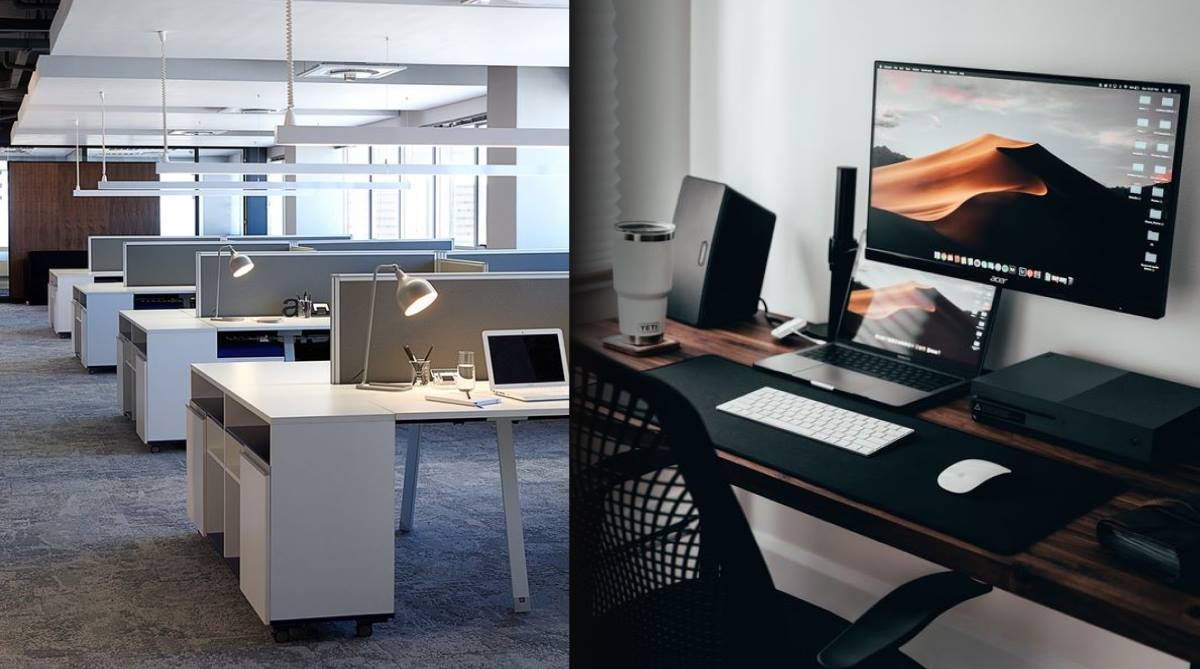
Hot desking and Work from home are the two most popular models of work adopted by professionals today. A fixed desk in a designated office space was the traditional notion of giving a more dynamic and flexible approach in a workspace. After the COVID-19 pandemic, the way we work changed in many ways. One of the most noticeable changes is the shift from a traditional office setting to more flexible and remote work arrangements. These arrangements have become the best solutions in the ever-evolving landscape of contemporary work environments. They seek a balance between productivity, collaboration, and personal well-being in a workplace. But what are the forces behind these two models and which one works for you?
Understanding Hot Desking and Work from Home
Hot desking is a work arrangement where employees are not specifically assigned desks or workstations, but share the available space and resources with other colleagues. This allows employees to choose where and when they work, as long as they follow the company’s policies and procedures. Co-working offers benefits such as reduced costs, increased collaboration, improved productivity, and enhanced creativity.
Work from home (WFH) is a work arrangement where employees perform their tasks from their own homes or other locations outside the office. This makes employees more autonomous and flexible over their work schedules and environments. home office offers benefits such as improved work-life balance, reduced stress, lower commuting expenses, and higher job satisfaction.
However, both hot desking or shared desks and work from home exhibit some challenges and drawbacks that need to be considered. For example, hot desking can cause issues such as lack of privacy, personalization, and security, as well as increased health risks, noise, and competition. Work from home can cause issues such as isolation, communication difficulties, distractions, and technical problems, as well as decreased motivation, accountability, and social support.
Comparative Analysis for Hot Desking Vs Work from Home
-
Cost
One of the main advantages of hot desking is that it can reduce the cost of office space and equipment for employers. By having fewer desks and workstations than employees, employers can save on rent, utilities, maintenance, and supplies. They can also optimize the use of space and resources by adjusting to the fluctuating demand and availability of employees. According to one source, hot desking can save up to 30% of office costs.
On the other hand, work from home can also reduce the cost of office space and equipment for employers, but it may shift some of the costs to the employees. Employees who telework may need to invest in their own devices, software, internet, and furniture to create a comfortable and productive home office. They may also incur higher expenses for electricity, heating, and cooling. However, offsite work can also save employees money on commuting, parking, food, and clothing.
-
Productivity considerations
Another advantage of hot desking boosts productivity of employees as they easily choose the best environment for their tasks and preferences. Employees randomly select the desk, workstation, or area suiting their needs, such as quiet, collaborative, or creative spaces. They also easily change their locations throughout the day as a way of avoiding boredom, fatigue, or distractions. Flexible seating fosters a sense of ownership and responsibility among employees, as they have to clean up and organize their workspace after each use.
However, work from home also improves the productivity of employees by giving them more autonomy and flexibility over their work schedules and environments. Employees work at their own pace, set their own hours, and take breaks when they need to. They can also customize their home office to their liking, such as by adjusting the lighting, temperature, and noise level. Work from home eliminates the stress and hassle of commuting, which can improve the mood and energy of employees.
-
Collaboration and Communication
A third advantage of hot desking is enhancing the collaboration and communication among employees by exposing them to different people and perspectives. Employees tend to interact with colleagues from different departments, teams, or projects, and exchange ideas, feedback, and support. They also learn new skills, share best practices, and discover new opportunities. Hot desking creates a more dynamic and diverse office culture, as employees can mingle with different personalities and backgrounds. Hot desking is estimated to improve collaboration by 20%.
Home-based work also improves the collaboration and communication among employees by using technology and tools to facilitate remote teamwork. Employees communicate with colleagues via email, phone, chat, or video conferencing, and share documents, files, or screens via cloud-based platforms or applications. They participate in virtual meetings, workshops, or trainings, and access online resources or databases. Work from home foster a more inclusive and equitable office culture, as employees can have equal access and voice regardless of their location or status.
Recognizing individual work preferences
Recognizing individual work preferences is an important aspect of choosing a suitable work arrangement. Different work arrangements, such as hot desking and work from home, may suit different types of personalities, needs, and goals. Therefore, being self-aware helps individuals like you to make better decisions about your work environment and performance.
Self-awareness is the ability to understand one’s own strengths, weaknesses, emotions, motivations, and behaviors. It can be divided into two types: internal self-awareness, which is how we see ourselves, and external self-awareness, which is how others see us. Both types of self-awareness are important for choosing a suitable work arrangement, as they guide us on evaluating our fit with the work culture, expectations, and feedback.
For example, someone who has high internal self-awareness may know that they prefer to work in a quiet and private space, where they can focus on their tasks without interruptions or distractions. They may know how they are more productive and creative in the morning, and need more breaks in the afternoon. Such people may benefit from working from home, where they control their own schedule and environment while avoiding the stress and hassle of commuting.
On the other hand, someone having high external self-awareness may know how they thrive on social interaction and collaboration, where they exchange ideas, feedback, and support their colleagues. They tend to experience their motivation and accountability when having clear goals and deadlines, thus receiving regular recognition and praise. Such people benefit from hot desking. They get to interact with different people and perspectives, and adapt to the changing needs and demands of the work.
Considering the Hybrid Approach – (Hot Desking and Work from Home)
Some people do not have a clear preference for one work arrangement over another. They may enjoy the flexibility and variety of both hot desking and work from home combined. This kind of combination creates a hybrid of elements of both in their work. The hybrid approach becomes more useful, as it allows individuals to choose the best option for their tasks and preferences, depending on the situation and circumstances.
A hybrid approach help individuals balance their personal and professional lives. They adjust their work arrangements according to their family, health, and personal needs. For example, someone who has a child or a pet may want to work from home on some days, where they can spend more time with them and take care of them. Someone who has a hobby or a passion may opt for out-of-office work on other days, where they can pursue their interests and hobbies without compromising their work.
A hybrid approach also helps individuals develop their skills and competencies. Individuals get exposed to different challenges and opportunities and get to learn from different experiences and feedback. For example, an individual who wants to improve their communication and teamwork skills. It strategic to work from a hot desk on some days where they can practice their verbal and non-verbal communication. This also allows them to collaborate with others on projects and tasks. For someone who wants to improve their problem-solving and critical thinking skills. It is great to work from home on other days, where they can focus on their analysis and evaluation. Such individuals tend to come up with innovative and creative solutions.
Now, Hot Desking or Work from Home or Hybrid?
Recognizing individual work preferences is an important aspect of choosing a suitable work arrangement. Being self-aware helps individuals better understand their motivations, reactions, and communication styles, which improves their performance and overall job satisfaction. Different work arrangements, such as hot desking and work from home may suit different types of personalities, needs, and goals. Therefore, individuals should always consider their own preferences and the hybrid approach of combining elements of both work arrangements, depending on the situation and circumstances.
