


Blog
How to Take Care for Your Office Chair

Mar
An office chair is an essential ergonomic tool for productivity, comfort and well-being in a workplace. However much that chair supports you through countless tasks and hours of work, it’s very easy to overlook its care and maintenance. In this case, it can lead discomfort, diminished productivity and even potential health issues. For that reason, it would be a great idea to follow these steps in order to effectively take care for any office chair. These include cleaning, maintenance and knowing when its time for repairs or replacements. These practices prolong your office chair lifespan while keeping it in top condition.
Understanding your Office Chair
Any one performing a daily duty in a modern workplace whereby is required to sit, has probably used an ergonomic office chair. So, that chair serves as your support system throughout your workday. You’re bound to care for your office chair effectively. This calls for the need to first understand its intricate design and components. In this case, barely understanding these components, types and materials lays the groundwork for effective chair caring. It enables any one to tailor maintenance practices to suit an office chair’s specific design and construction.
Office Chair Components
- Seat: The base where you sit, often padded with memory foam for comfort.
- Backrest: Provides support for your back and spine.
- Armrests: Positioned on the sides of the chair to support your arms.
- Base: Commonly a five-pointed structure with casters at the bottom for mobility mechanism.
- Gas Lift: Allows for seat-height adjustment and swivel functionality.
- Adjustment Controls: Levers or knobs to modify the chair’s settings.
Different Types of Office Chairs
- Task Chairs: Basic chairs designed for general office use.
- Executive Chairs: Are usually larger and more luxurious making them suitable for managerial positions.
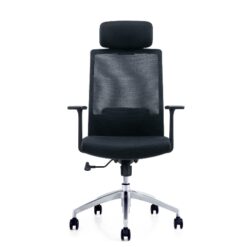
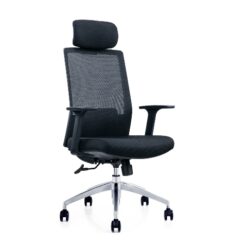
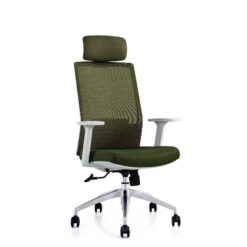
- Mesh Chairs: Feature a breathable mesh backrest, these chairs are designed to provide ventilation and support which makes them ideal for long hours of sitting.
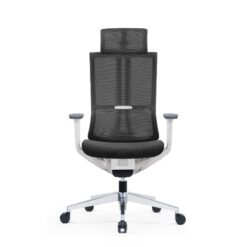
- Ergonomic Chairs: Engineered to provide optimal support and comfort, especially for prolonged sitting sessions.
- Guest Chairs: Designed as side chairs for both visitors and meeting or board rooms.
- Specialty Chairs: Are designed for specific purposes like drafting or gaming.
Office Chair Composition Materials
- Upholstery: Fabrics, mesh, leather, or vinyl covering the chair’s surfaces.
- Frame: Metal, plastic, or wood construction providing the chair’s structure.
- Padding: Memory foam or cushioning materials used for comfort.

Regular Maintenance Practices
Regular maintenance is the basic approach to take care for office chair as it preserves the functionality and longevity of any office chair. Incorporating maintenance practices such as scheduling cleaning routines, lubricating moving parts as well as inspecting for wear and tear regularly keeps any office chair look clean and well-maintained. A combination of one or two practices prolongs its lifespan while ensuring optimal functionality.
Cleaning Routines
- Establish a Cleaning Schedule: Merely set a regular schedule for cleaning your chair to prevent dirt and grime buildup. This outlines specific tasks, frequencies, and responsibilities for cleaning and maintaining those chairs. It prevents the buildup of dirt, stains and bacteria. Once a consistent schedule is implemented, office chairs receive timely attention which reduces the likelihood of wear and tear, and prolonging their lifespan. Additionally, regular cleaning promotes a clean and healthy work environment, minimizing the risk of allergens and germs, and enhancing the overall appearance and comfort of office spaces.
- Appropriate Cleaning Agents: Use suitable cleaning agents based on the chair’s composition materials for effective and safe cleaning. Consider mild detergents or upholstery cleaners with respect to agents specifically formulated to remove dirt, stains and germs from chair surfaces without causing damage. Not forgetting to use disinfectants which sanitize and prevent the spread of germs, especially in shared or high-traffic areas. Without doubt follow manufacturer recommendations and test cleaning agents in inconspicuous areas to ensure compatibility with chair materials.
- Spot Cleaning: With this targeted cleaning method, promptly address spills and stains to prevent them from setting into the upholstery. Blot the affected area with a clean cloth and mild detergent solution. Spot cleaning effectively removes most common stains, such as food spills or beverage stains, without the need for extensive cleaning.
Lubricating Moving Parts
Lubricating office chairs’ moving parts maintains their functionality and preventing wear and tear. As a process, it involves applying lubricants to components such as casters, tilt mechanisms and armrest adjustments for a smooth movement and operation. Once regularly implemented, owners can easily prevent squeaking, sticking and premature deterioration. This extends the lifespan of the chair and enhancing user comfort over time. Adversely, use lubricants sparingly to prevent excess buildup which attracts dirt and debris
Inspecting for Wear and Tear
To take care for your office chair also regularly inspect for wear and tear as it identifies and address potential issues before they escalate. During inspection, examine the varying components of that chair as listed prior before they worsen and require costly repairs or replacement. Check the seat cushion, armrests, backrest and the entire base for signs of damage, such as tears, fraying, or cracks. Remember to check for loose or missing hardware, such as screws or bolts, which compromise the chair’s stability and safety.
Upholstery Care
The upholstery of any office chair contributes to comfort and aesthetics. Proper caring of the upholstery maintains its appearance and prolongs its lifespan. With these care tips tailored on a specific type of upholstery commonly found in office chairs such as fabrics, mesh and leather:
Fabric Chairs
-
Regular vacuuming:
Using a vacuum cleaner with a soft brush attached effectively removes dust, debris and pet hair from the fabric surface of chairs. This process prevents dirt particles from embedding into the fabric fibers, although it leads to a dull and dingy appearance over time.
-
Spot Cleaning:
As it’s a targeted method to address specific stains or spills on fabrics, it involves gently blotting the stained area. Working from the outside toward the center of the stain, use a clean cloth while applying a mild detergent or upholstery cleaner diluted with water. Carefully apply the cleaning solution and continue blotting until the stain is lifted. Afterward, the area should be blotted with a damp cloth to remove any residue and allowed to air dry completely.
-
Deep Cleaning:
This is a thorough method for restoring the fabric of office chairs to their original condition as it removes embedded dirt, stains and odors. Surely, involves using a specialized upholstery cleaner or shampoo specifically formulated for fabric surfaces. Apply the cleaning solution to the entire chair, working it into the fabric with a soft brush or sponge. Allow the solution to penetrate the fabric for a specified amount of time, usually15-30 minutes. Then rinse the chair thoroughly with clean water to remove the cleaning solution as well as loosened dirt or debris. Finally, the chair must be left to air dry completely before being returned to use again. Usually, follow the manufacturer’s instructions carefully attached on that same very fabric
-
Fabric Protectors:
Once applied to upholstery surfaces, these protective coatings create a barrier for repelling liquids, stains and dirt. As fabric protectors work by forming a molecular bond with the fibers, they make office chair upholstery fabric resistant to spills and stains without altering the fabric’s texture or appearance. With this intention, they prevent any penetration which safeguards fabrics against accidental spills, stains, and everyday wear and tear. This makes cleaning and maintenance easier in the long run.
Leather Chairs
- Dust removal: Wipe the leather upholstery with a soft, dry cloth regularly to remove dust and dirt.
- Conditioning: Apply a leather conditioner periodically to keep the leather supple and prevent it from drying out and cracking. Follow the product instructions for best results.
- Stain Removal: Clean spills promptly with a damp cloth. Avoid using harsh cleaners or solvents, as they can damage the leather.
- Protection from Sunlight: Position leather chairs away from direct sunlight to prevent fading and discoloration.

Leather Chairs

Leather Chairs

Boardroom/Visitor Chairs


Leather Chairs


Leather Chairs

Leather Chairs

Leather Chairs

Leather Chairs

Leather Chairs

Boardroom/Visitor Chairs

Boardroom/Visitor Chairs
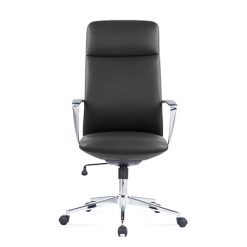

Leather Chairs
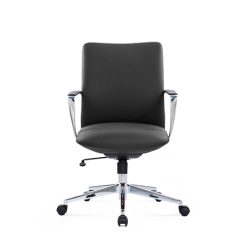

Leather Chairs


Leather Chairs
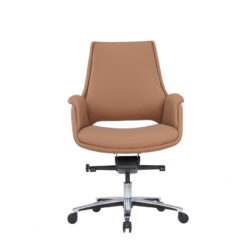
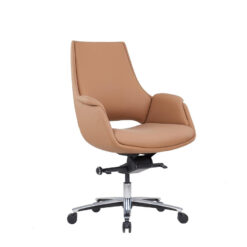
Leather Chairs


Leather Chairs


Leather Chairs

Leather Chairs

Leather Chairs

Boardroom/Visitor Chairs
Mesh Chairs
- Dust Removal: Just as the case for fabrics, use a vacuum cleaner with a brush attachment to remove dust and debris from the mesh upholstery.
- Spot Cleaning: The same way we did with fabrics, also wipe stains and spills with a damp cloth or sponge. In this case, avoid using abrasive cleaners that could damage the mesh.
- Air Circulation: Allow the mesh upholstery to breathe by avoiding covering it with blankets or cushions for extended periods.
- Preventive Maintenance: Inspect the mesh for any tears or damage, and repair them promptly to prevent further deterioration


Chairs

Ergonomic Chairs


Ergonomic Chairs


Chairs


Boardroom/Visitor Chairs


Ergonomic Chairs
Mesh Chairs
Chairs
Mesh Chairs

Chairs


Chairs


Ergonomic Chairs
Mesh Chairs

Ergonomic Chairs

Mesh Chairs


Ergonomic Chairs


Ergonomic Chairs
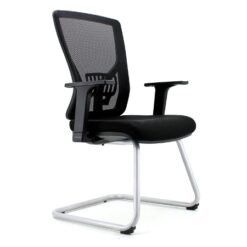
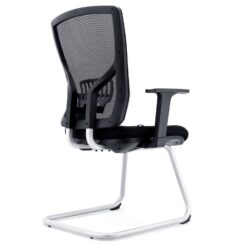
Boardroom/Visitor Chairs


Ergonomic Chairs


Ergonomic Chairs


Boardroom/Visitor Chairs
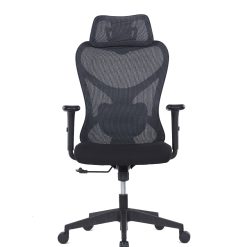
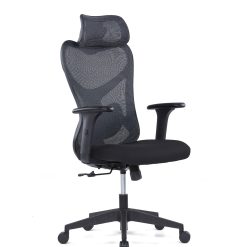
Ergonomic Chairs


Ergonomic Chairs
Office Chair Preventative Measures.
Always take proactive steps to take care for office chair in a way preventing damage while maintaining their integrity. This way, you’ll minimize the risk of damage as well as remaining functional, safe and comfortable for years to come. Encouraging such a culture of responsibility and accountability prolongs chair’s lifespan.
Avoiding Misuse and Abuse
- Proper Sitting Habits: Maintain and encourage the correct sitting posture among office occupants. This will help to prevent unnecessary strain on the chair’s components.
- Weight Limit Adherence: Respecting the manufacturer’s weight limit indicated during purchase as well as guidelines restricts structural damage and premature wear.
- Refrain from Rough Handling: Try to be gentle in order to avoid excessive force when adjusting the chair or leaning back to prevent stress on the mechanisms.
- Limit Usage Outside of Designated Settings: Discourage using office chairs from purposes other than sitting to prevent damage caused by misuse.
Maintaining Proper Sitting Posture
- Back Support: Leverage the chair’s lumbar support to maintain a natural spine curvature and reduce strain on the back muscles.
- Feet Placement: Maintain and keep feet flat on the ground or on a footrest to promote circulation as it reduces pressure on the lower body.
- Arm Positioning: keeping arms relaxed and supported by adjusting the armrests prevents shoulder and neck strain.
Regular Inspection and Maintenance
- Scheduled Inspections: Conduct routine inspections your chair for signs of wear, loose components or structural damage.
- Prompt Repairs: Address any issues identified during inspections promptly to prevent further deterioration and maintain user safety.
- Component Lubrication: Regularly lubricate moving parts such as casters, adjustment mechanisms and swivel joints to ensure smooth operation and prevent squeaking.
Education and Training
- User Training: Follow guidance on proper chair usage, adjustment and maintenance for awareness and accountability. Otherwise, a lot of online resources on office furniture in available
- Reporting Procedures: In corporate workspaces, establish clear protocols for reporting chair-related issues to facilitate timely repairs and prevent potential hazards.
- Educational Resources: Refer to resources such as instructional videos or manuals for to equip yourself with knowledge needed to care for chairs effectively.
Repair and Replacement
Despite diligent ways to take care for office chair, they may still require occasional repairs or eventual replacement due to unbearable wear and tear. So, it becomes relevant to understand the repair and replacement process as well as considering factors such as safety, usability and sustainability. With this intention, anyone can make informed decisions to maintain a functional and ergonomic workspace. Considering this approach prioritizes office chair user’s comfort and safety while balancing budgetary constraints alongside environmental considerations. to optimize the lifecycle management of your office chairs.
DIY Repairs
- Common Issues require Basic fixes: Learn how to troubleshoot and address common problems such as loose screws, squeaky mechanisms, or torn upholstery. As we prior talked about education and training, try so much had to access free online tutorials and manufactures instruction manuals for proper assembly and minor repairs.
- Tools and Materials: Keep essential tools such as screwdrivers, pliers, and lubricants on hand for minor repairs. This is where also storage cabinets achieve their hidden purpose, as you keep such essential and occasionally used tools and material safely and achieved at a later time.
- Safety Precautions: Remember, following proper safety procedures when attempting DIY repairs is the best way to avoid injury or further damage to the chair. Don’t hesitate to reference the manufacturers assembly manual.
Knowing When to Replace
- Signs of Irreparable Damage: Recognize signs such as structural instability, extensive upholstery damage, or malfunctioning mechanisms indicating the need for total replacement.
- Consider Ergonomic Advancements: Evaluate whether newer chair models offer ergonomic features or improvements which could benefit users and justify replacement. Occasionally check on office furniture Dubai for new stock with office chairs
Professional Repairs
- Identifying Qualified Technicians: Simply seek assistance from reputable repair professionals or office furniture manufacturers specializing in office chair repairs. They’re well vast with office chair composition material as well as mobility and swivel functionality.
- Cost-Benefit Analysis: This requires to professionally inspect with aim of identifying underlying issues. This helps to determine the most appropriate repair solutions which result to considering the repair costs versus the chair value. Surely, compare potential benefits of replacement when deciding whether to proceed with professional repairs.
Replacement Considerations
- Budgetary Constraints: Evaluate the financial feasibility of replacing chairs based on available budget allocations and long-term investment considerations. Understanding your office furniture budget helps to focus on most essential pieces to purchase or replace
- User Needs and Preferences: While office furniture ergonomic requirements differ among users, consider soliciting feedback from them regarding what they priorities. This way, consulting with suppliers who understand customer requirements and preferences easily guide on what perfectly suits your selection of replacement chairs.
- Sustainability and Environmental Impact: As top office fit out trends strategies on flexible workspaces with biophilic designs, consider eco-friendly options. Once you have decided to replace, consider disposing/recycling plans to minimize environmental impact when replacing chairs.
Proper Disposal and Recycling
While incorporating environmental considerations into the procurement, maintenance and most especially end-of-life management of office chairs, you minimize the ecological footprint. For the good of every workplace and contributing to a more sustainable future, proper disposal and recycling is crucial. Together, we can make a difference for the planet and future generations while creating a healthy and environmentally conscious work environment.
- Disassembly and Recycling: While not forgetting to take care for office chair already in place, disassemble them at the end of their life span by responsibly facilitating recycling of metal, plastic and other recyclable components.
- Donation or Reuse: Explore opportunities to donate gently used chairs to charitable groups or repurpose them for non-office settings.
- Waste Management Compliance: Adhere to local regulations and guidelines for proper disposal of office furniture to minimize environmental impact.
