


Blog
How Custom-Made Office Furniture Transforms Collaboration
Mar
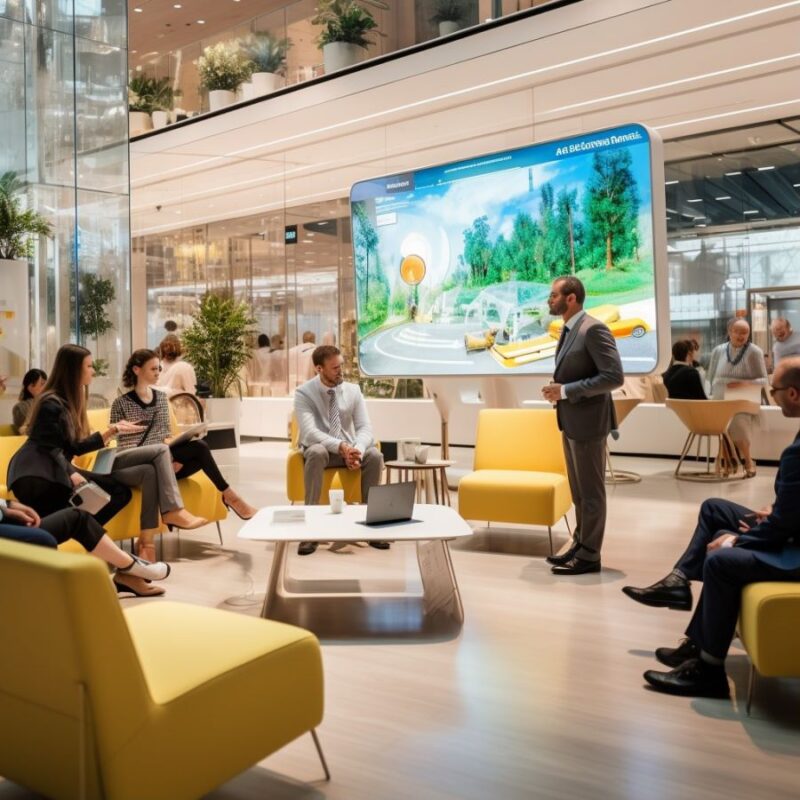
Custom-made office furniture must be designed to meet the functional needs of a workspace while optimizing collaboration and productivity. This so, because modern businesses must leverage collaboration as a cornerstone of success to innovation, problem-solving and adaption to rapidly changing market dynamics. In such evolving business landscape, many businesses are recognizing the importance of collaboration. They ‘re increasingly investing in custom-made office furniture capable of elevating their communication, teamwork and creativity among employees. Such customized furniture ranges from collaborative boardroom tables and ergonomic workstations to modular sofas and interactive technology integrations. As Dubai Office Furniture supplier and manufacturer, we come down to explorer how custom-made furniture is revolutionizing the modern workplace and empower teams to achieve their full potential. We examine their benefits, applications and practical considerations in facilitating collaboration, driving innovation and fostering a culture of team work.
What is Collaboration in the Workplace?
Collaboration in the workplace confines a dynamic process whereby individuals come together to achieve shared goals, solve problems and generate innovative ideas. It involves the exchange of knowledge, skills and perspectives among team members to achieve greater outcomes than what could be accomplished individually.
Since the key elements of effective collaboration include communication, trust, respect and a shared sense of purpose. Then, having successful collaborations require setting-up an environment encouraging open communication, brings-up creativity and values diverse perspectives. Consider collaboration taking various forms such as formal meetings, informal discussions, brainstorming sessions and virtual collaborations empowered by technology. They all require custom-made furniture tailored to that specific purpose, value and form of the collaboration. In essence, companies utilizing collaboration with respect to designated office furniture are bound to achieve a culture prioritizing teamwork, cooperation and collective achievement in today’s competitive business.
Challenges in Fostering Collaboration
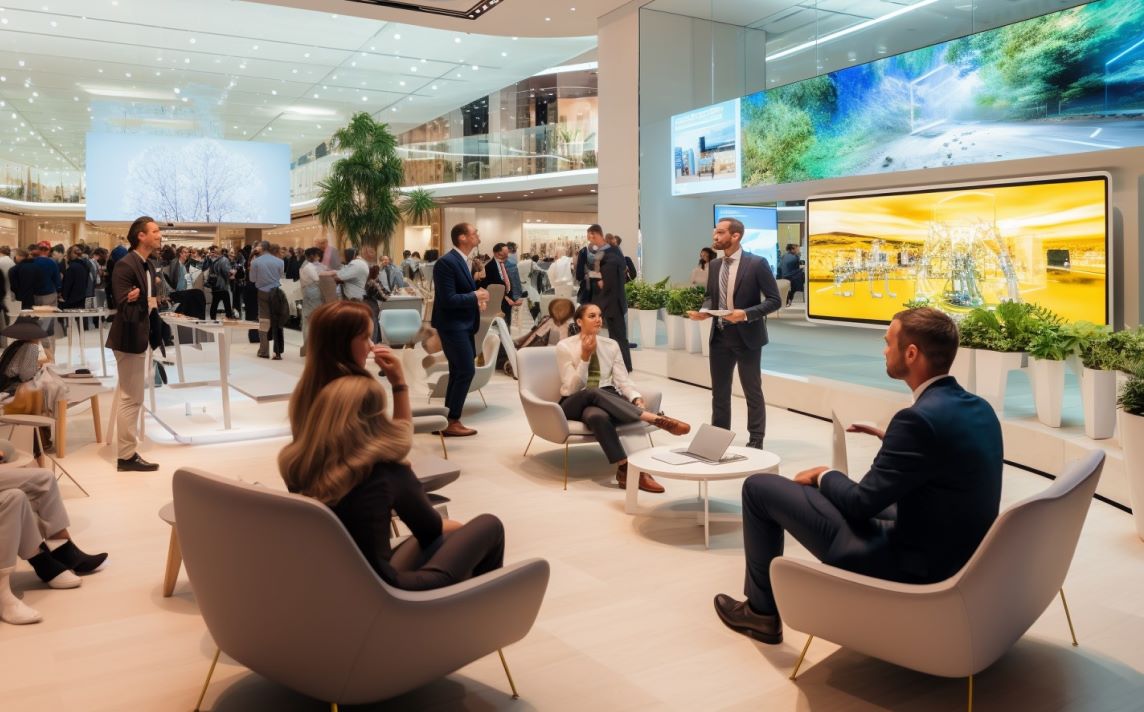
Despite the numerous benefits of collaboration, fostering effective teamwork and communication in the workplace can pose several challenges. Addressing these challenges requires proactive approaches emphasizing open communication, inclusivity as well as using appropriate tools and resources. These challenges may include:
-
Physical Layout:
Traditional office layouts with cubicles or closed-off spaces usually hinder spontaneous interactions and impede collaboration. Yet creating an environment facilitating both formal and informal communication is essential for fostering collaboration.
-
Communication Barriers:
Poor communication channels, such as limited access to information or lack of clear communication protocols, can obstructs collaboration. Misunderstandings, language barriers and differences in communication styles may also hinder effective teamwork.
-
Cultural Differences:
In diverse workplaces, cultural differences and varying communication norms may present challenges to collaboration. It’s essential to create an inclusive environment where all team members feel valued and respected, regardless of their background or cultural differences.
-
Technology Constraints:
Inadequate or outdated technology mostly cripples virtual collaboration. Without doubt, makes it difficult for remote team members to communicate effectively. Investing in the right collaboration tools while ensuring full access for all team members is crucial for overcoming this challenge.
-
Lack of Trust:
Building trust among team members is essential for effective collaboration. Without trust, team members may be hesitant to share ideas, provide feedback, or take risks, which can hinder creativity and innovation.
-
Time Constraints:
Busy schedules and competing priorities may make it challenging for team members to find time for collaboration. It’s better to establish clear priorities, set aside dedicated time for collaboration and streamline processes to maximize efficiency.

The Role of Custom-Made Office Furniture
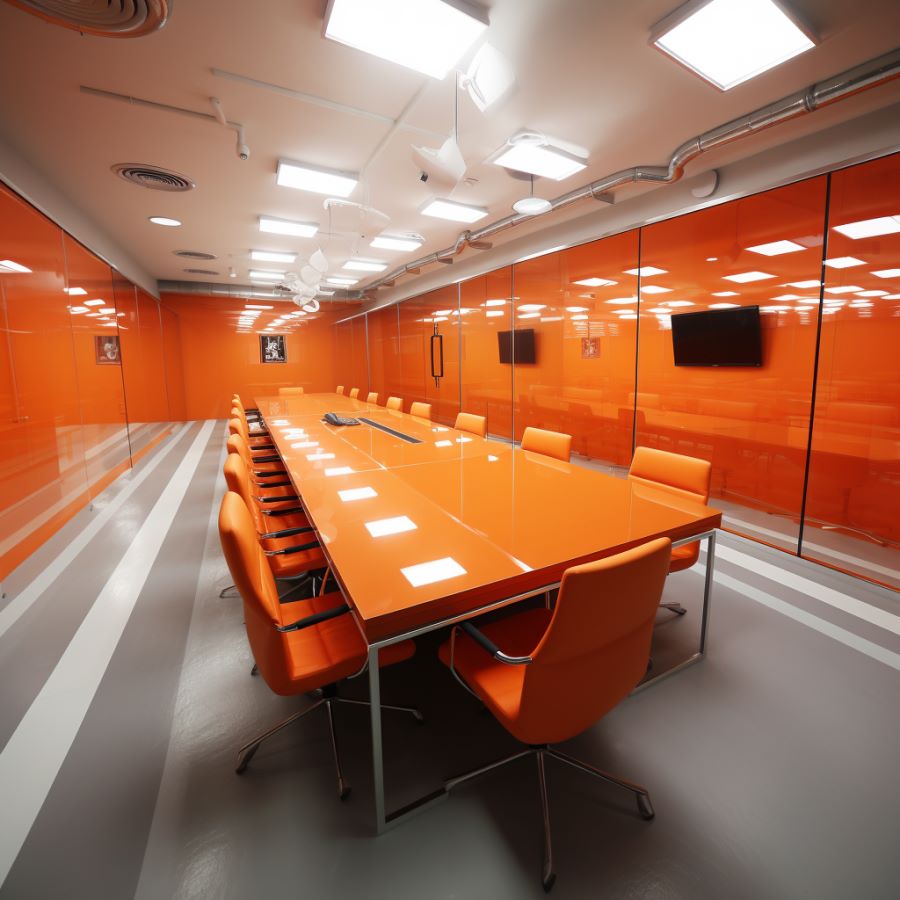
Custom-made office furniture plays a pivotal role in transforming collaborative spaces to meet the unique needs and preferences of modern businesses. Unlike off-the-shelf solutions, custom-made furniture is tailored specifically to the requirements of a particular workspace. With this purpose in mind, it offers a host of benefits contributing to the success of collaborative efforts. Here’s a closer look at the key roles custom-made office furniture plays:
-
Tailored Solutions:
Custom-made furniture allows companies to perfectly design workspaces aligned with their workflow, culture and brand identity. This can be modular workstations, ergonomic office chairs or collaborative meeting tables. Custom solutions designed to optimize space utilization enhance functionality while fostering seamless collaboration among team members.
-
Flexibility and Adaptability:
As collaborative workspaces are dynamic by nature, of course they require adaptive furniture to evolve with needs and activities. Custom-made furniture offers this exact flexibility to create modular layouts. Its reconfigured easily to accommodate different group sizes, tasks and work styles. This adaptability focuses on collaborative spaces remaining agile and responsive to changing requirements over time.
-
Enhanced Aesthetics:
Apart from functionality, custom-made furniture gives businesses a chance to express their unique design aesthetic and corporate identity. Custom solutions offer endless possibilities for creating visually appealing and inspiring workspaces. In fact, there is an opportunity to elevate workspace first impressions while energizing and motivate employees. This covers material selection, color schemes, furniture type to branding elements and integrated technology.
-
Optimized Ergonomics:
As participants may spend extended periods engaged in collaborative activities, comfort and ergonomics become more essential. Considering custom-made office furniture in collaborative workspaces tailors support proper for posture and reduce strain. So, enhanced overall comfort promotes employee well-being and productivity during collaborative endeavors.
-
Promotion of Collaboration:
By incorporating features such as modular seating solutions like CURL Modular Lounge Sofa, interactive whiteboards, storage cabinets and integrated technology hubs, custom-made furniture actively facilitates collaboration among team members. Thoughtfully designed furniture layouts and configurations encourage spontaneous interactions, idea sharing and creative problem-solving. This fosters a culture of teamwork and innovation within the organization.

Transformative Application of Custom Made Office Furniture for Collaboration
As custom-made furniture offers solid innovative solutions, it transforms collaborative workspaces into dynamic hubs of creativity, communication and productivity. While considering the impact of furniture designs on workspace accessibility, customized furniture revolutionizes the way teams collaborate and interact. Through thoughtful designs and tailored features, expect some of these transformative applications of custom-made furniture for collaboration:
-
Flexible Configurations:
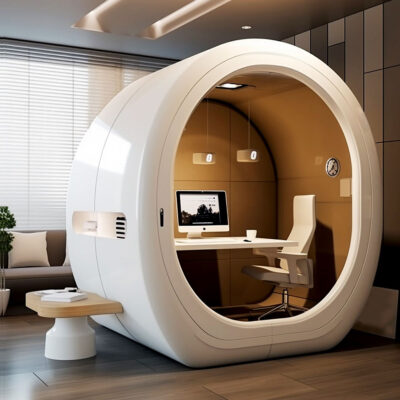
Custom-made furniture allows for the creation of flexible seating arrangements just as workstations become easily reconfigured. In this case, rearranging them accommodates different group sizes and activities. Not forgetting the best of modular seating options such as modern lounge sofas, movable booth and pods, multifunctional tables and adjustable desks. They empower teams to adapt varying workspaces to suit the specific needs of each collaborative project.
-
Privacy and Focus Zones:
Customized furniture solutions easily create designated privacy and self-isolation chambers within collaborative workspaces for focused concentration. Acoustic office booth and pods and private alcoves guarantee a quiet retreat after an aggressive collaborative session. Any individual can gracefully have online confidential discussions while balancing the need for individual productivity.
-
Branding and Identity:
As businesses struggle for public recognition and identity, opting for Custom-made furniture reinforces an opportunity to stand-out. Company culture and iconic elements blend within and throughout the workspace furniture designs. In this case, thoughtful and thematic design motifs integrate branded elements such as custom logos, corporate colors, and electrical accessories. Such furniture pieces create a cohesive and inspiring environment which reflects the business’ values and vision
-
Innovative Collaborative Tools:
Usually team communications demand for innovative collaborative tools and accessories for enhanced interaction. In that case functionality can only come to reality with custom-made furniture being incorporated with advanced accessories. Innovative desk accessories may range from writable surfaces and magnetic boards to built-in charging stations and storage pedestals.
-
Interactive Technology Integration:
Furniture integrations usually range from interactive whiteboards, digital displays, connectivity hubs to mobility and swivel functionality Custom-made furniture incorporates these integrative technologies which manifests furniture evolution to accommodate modernized collaborative sessions and actives. Such interactive technology harmonizes handedness dynamics highly demanded for workspace accessibility and inclusivity. In that case, tech-enabled innovative solutions alongside workspace accessories facilitate real-time idea sharing, presenting data and collaborating on digital platforms seamlessly.
-
Collaborative Meeting Spaces:
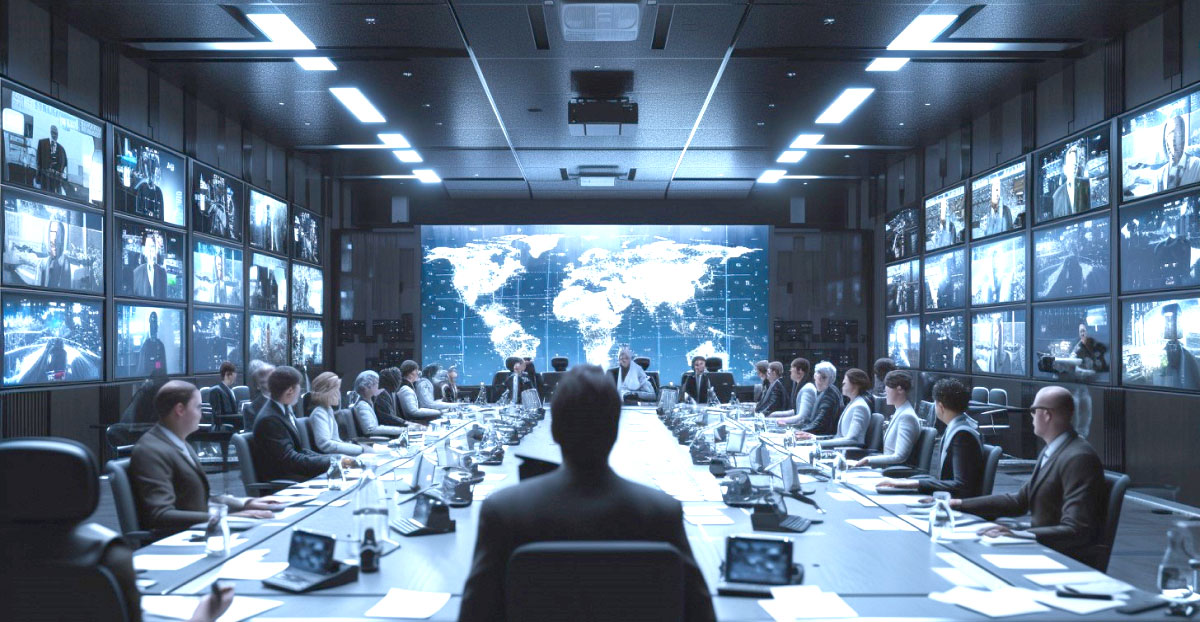
Custom-made furniture designs can transform traditional office meeting rooms into collaborative environments that inspire creativity and engagement. Consider using comfortable and modular seating arrangements like the pouf ottoman, modern lounge sofa as well as the multifunctional meeting tables to define a collaborative space for brainstorming. In fact, flexible presentation areas and custom meeting spaces which encourage active participation require furniture designed particularly for relaxing and idea sharing among team members.
Customized Office Furniture Practical Considerations and Implementation
Implementing custom-made furniture for collaboration requires careful planning. This involves considering an array of factors to ensure optimal functionality, aesthetics, and user satisfaction. Here are some practical considerations for implementing custom-made furniture in collaborative spaces
-
Needs Assessment:
Conduct a thorough assessment of your company’s collaboration requirements. During the feasibility study, classify the types of collaborative activities, the number of users and the desired outcomes. Generally understanding the specific needs with preferences of team members gives direction on what and how the perfect furniture can be customized. During such cases, essential modifications and integrations are identified then suggested for furniture customizations that effectively support collaboration.
-
Space Planning:
Consider the layout and configuration of the workspace to maximize functionality and usability. Collaborative furniture should be strategically positioned to encourage interaction and facilitate seamless workflow. Utilize tools such as floor plans, mock-ups, 3D Design and Modeling to visualize the placement of furniture while optimizing space utilization.
-
Ergonomics and Comfort:
Always prioritize ergonomic design principles to ensure each custom-made furniture piece promotes user comfort and well-being. Dubai Office furniture features adjustable height options, lumbar support and breathable materials like mesh chairs with to minimize fatigue and discomfort during extended collaborative sessions.
-
Material Selection:
Choose durable and high-quality materials capable of withstanding the demands of daily use in a collaborative spaces. At this point, consider factors such as ease of maintenance, resistance to wear and tear and sustainability credentials when selecting materials for custom-made furniture.
-
Technology Integration:
As noted earlier, examine how to incorporate integrated technology features seamlessly into custom-made furniture in order to support collaborative activities. Basically, focus on compatibility with existing communication and collaboration tools. Remember scalability and upgrades when designing technology-enabled furniture solutions.
-
Brand Identity:
Reflect your company’s brand identity and culture through designs of custom-made furniture. Any Office furniture manufacturer can help to incorporate branded elements specifically the color theme and logos to reinforces company values and vision.
-
Budget and Timeline:
Understanding office furniture budget establishes realistic informed decisions and prioritizes furniture customizations. This significantly superimposes the timeline for the design, manufacturing and installation of custom-made furniture. Work closely with an office furniture supplier alongside manufacturers and designers to ensure that project milestones are met while under budgetary constraints.
-
User Feedback and Iteration:
Having had a successful needs assessment where all stake-holders and end-users are identified, solicit feedback from them. Their full participation throughout the design and implementation process ensures that custom-made furniture solutions meet their needs and expectations. Wherever possible, may iterate on designs based on user input to refine functionality, aesthetics and usability.
That’s how Custom-made office furniture serves as a transformative tool in reshaping collaborative workspaces. It’s also becoming evident in driving innovation and boosting a culture of teamwork within organizations. Through tailored solutions which prioritize functionality, flexibility and aesthetics, custom furniture enhances the collaborative experience. It empowers employees to collaborate more effectively, communicate more seamlessly and innovate more boldly. To create collaborative environments, address practical considerations such as space planning, ergonomics, technology integration and brand identity. Once resolved, collaborative spaces can then inspire creativity, promote engagement, and support productivity.
