


Blog
Handedness Dynamics Integration into Office Furniture Design
Dec
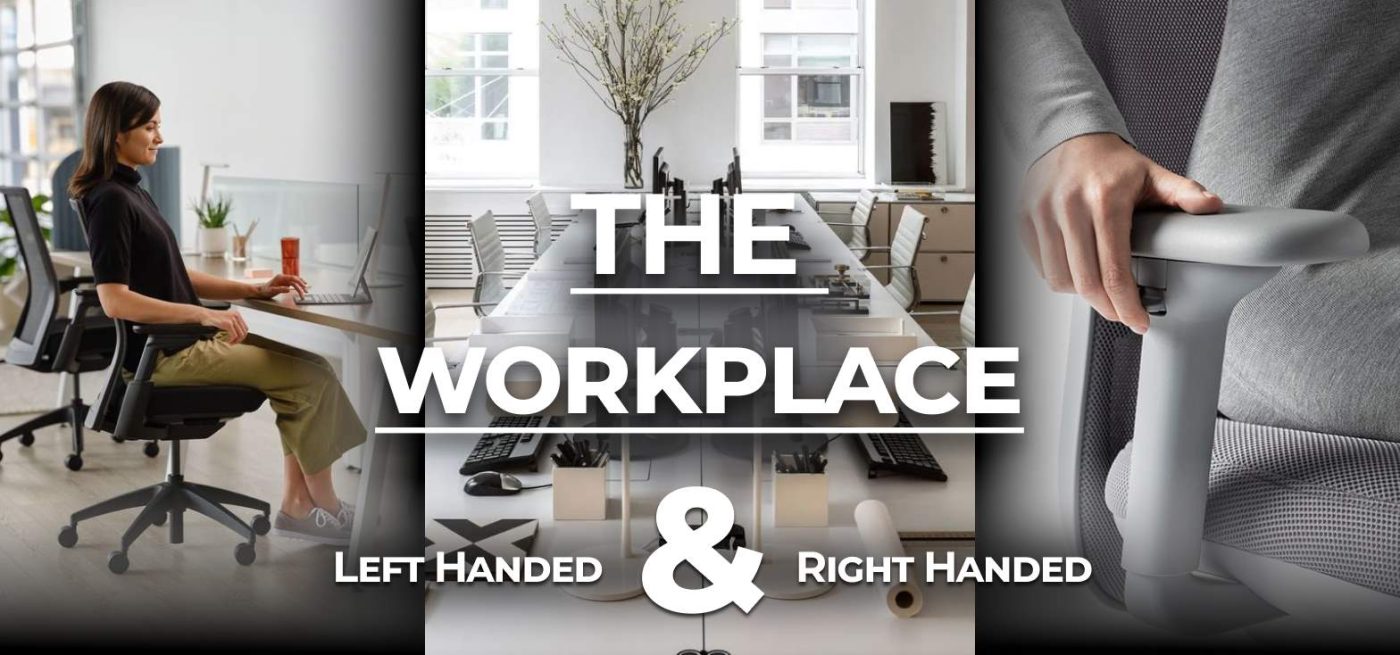
Handedness dynamics refer the preference and dominance of using one hand over the other in various activities. Such activities may include writing, holding, eating, or throwing. The handedness dynamics phenomenon encompasses the natural inclination of individuals toward either right-handedness (dextral) or left-handedness (sinistral) and the subtle influences guiding their manual interactions with the environment. The consideration of ergonomic principles plays a pivotal role in creating workspaces with office furniture prioritizing user comfort and productivity. Majority of office furniture is traditionally tailored to the needs of right-handed individuals. However, as awareness of inclusivity grows, there is a compelling need to explore and integration of handedness dynamics of both sinistral (left-handed) and dextral (right-handed) perspectives in the design and functionality of office furniture.
we explore the unique challenges faced by left-handed individuals, the innovations tailored for right-handed preferences, and the transformative potential that arises when these perspectives are harmoniously combined.
Why Consider Handedness Dynamics in Office Furniture?
The majority of the global population, estimated to be around 90%, is right-handed, meaning they prefer to use their right hand for most manual activities. On the other hand, left-handedness occurs in roughly 10% of individuals who favor using their left hand for these tasks.
Handedness is believed to be influenced by a combination of genetic, environmental, and neurological factors. While the reasons for handedness preferences are not fully understood, it is considered a natural variation in human behavior. Some people may also exhibit ambidexterity, which is the ability to use both hands with equal skill. The study of handedness is relevant in various fields, including psychology, neuroscience, and education, as it can impact cognitive development and how individuals interact with their surroundings.
Designing Office Furniture For Handedness
Since handedness design encompasses considerations and adaptation to ergonomics, the same applies to office furniture products, environments as well as systems. Focusing to this direction accommodates all the vast preferences of individuals who favor using either their right or left hand. Here are some types of handedness design:
-
Office Furniture Sinistral Design:
The term “Sinistral” is derived from the Latin word “sinister,” which means left, thus referring to the left side or left-handedness. In various contexts, “sinistral” is used to describe things associated with or located on the left side. So, sinistral design specifically here refers to the consideration and incorporation of left-handed preferences, needs, and ergonomic office furniture principles. This can further extend to designing of modern accessories, entry spaces, or system handles. At OfficeMaster, we realize how this concept recognizes a significant portion of the general population seeking for left-handed office furniture. Their experiences and interactions with everyday items, including workstation desks, office chair armrests and modern workspace accessories. Contrary, modern office furniture designs differ from those who are right-handed when crafting for workplace accessibility. Modern sinistral designs of office furniture from OfficeMaster cater to handedness dynamics for workplace inclusivity, comfort and usability of left-handed individuals.
-
Dextral Design:
Conversely, Dextral design refers to a design approach that specifically caters to the ergonomic preferences and characteristics of right-handed individuals. The term “dextral” is also derived from the Latin word “dexter,” meaning right. Dextral design takes into account the natural tendencies and movements associated with using the right hand for tasks such as writing, manipulating tools, or interacting with objects. In the context of redesigning office furniture for handedness, dextral designed office furniture creates workspaces optimizing comfort and functionality for right-handed users. In fact, majority of the workstation desks and chairs feature this design as the default. This may include considerations such as the arrangement of desks, the placement of storage cabinets, and the design of tools to align with the preferences and movements typically associated with the right hand. The goal of dextral design is to enhance usability and create a more intuitive and efficient user experience for the majority of the population that favors their right hand in daily activities.
-
Ambidextrous Design:
Ambidextrous design strives to create furniture that are equally usable by both left-handed and right-handed individuals. This type of design often involves symmetry and neutral positioning to accommodate users regardless of their handedness.
-
Adaptive Handedness Design:
Adaptive design takes into account the variability in handedness preferences among individuals. It may involve furniture customizable features or adjustable elements in furniture to accommodate users with different handedness preferences.
-
Modular Handedness Design:
Modular design allows for the arrangement and customization of elements based on the user’s handedness such as modular sofas. This type of design often involves configurable components suiting the user’s ergonomic preferences.
-
Universal Design:
Universal design principles aim to create products and environments which are accessible and usable by people of all abilities, including individuals with different handedness preferences. It emphasizes inclusivity and considers a diverse range of users.
-
Task-Specific Handedness Design:
Some designs tailor specific tasks, considering the optimal hand for performing that task. Just like tools or instruments designed with a particular handedness in mind to enhance efficiency and safety. These types of handedness design are crucial in various fields, including office furniture design, architecture, and workspace planning. They ensure the built environment accommodates the diverse ergonomic needs of individuals.
Harmonizing Sinistral and Dextral Elements in Modern Workspaces
Analyzing real-world implementations of office furniture, designers easily obtain inspiration and practical insights into creating office furniture resonating with a diverse user base. These strategies then serve as models for achieving a balance which addresses the unique needs of both left-handed and right-handed individuals in office settings. Below are some of the strategies to achieve this harmonious integration of both the left and right handed
Ambidextrous Designs
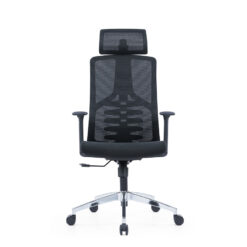
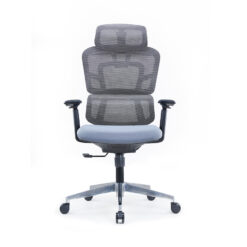
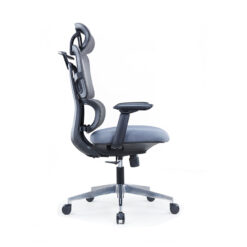
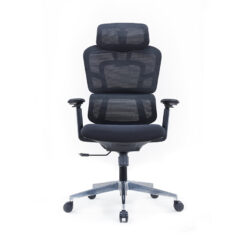
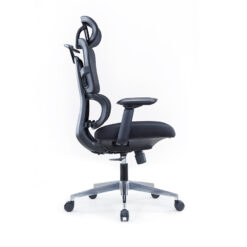
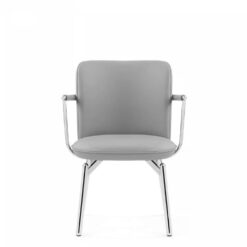
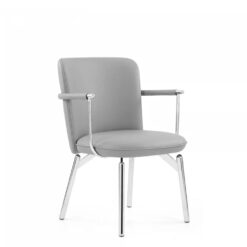
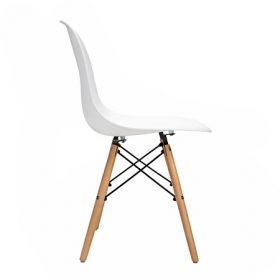
Develop furniture pieces for use with comfortability by both left-handed and right-handed individuals. This includes ambidextrous desks, chairs, or tools which are easily adapted for use by either hand. Such furniture includes;




Chairs




Multifunctional Chairs


Multifunctional Chairs


Multifunctional Chairs
Multifunctional Chairs

Multifunctional Chairs

Multifunctional Chairs


Multifunctional Chairs
Modular and Adjustable Furniture
Invest in modular furniture that allows users to customize their workspace according to their handedness preferences. Adjustable features, such as height and orientation, ensure flexibility for individuals with different ergonomic requirements.
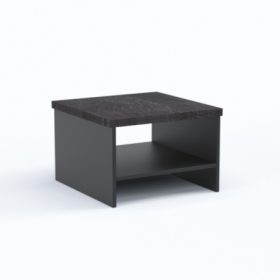

Coffee Tables
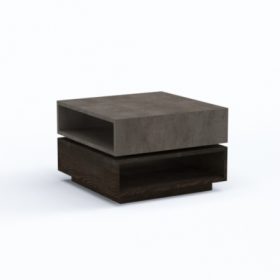
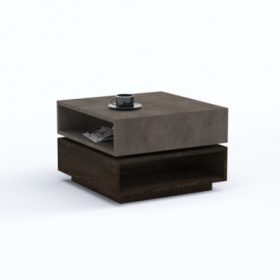
Coffee Tables
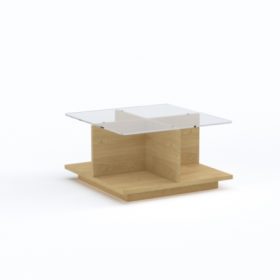
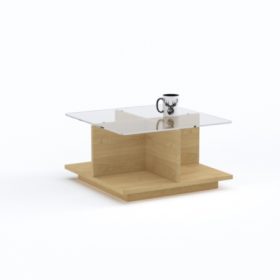
Coffee Tables


Office Desks


Office Desks

Wooden Storages


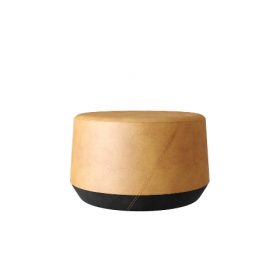
Pouf Ottoman
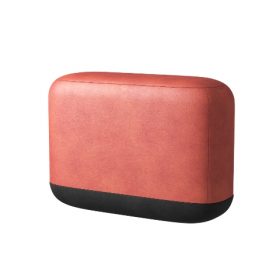
Pouf Ottoman
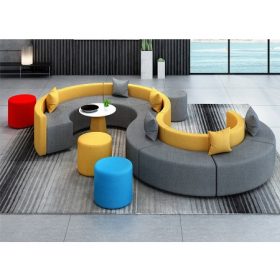
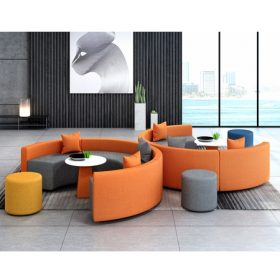
Modern Sofas


Coffee Tables


Coffee Tables
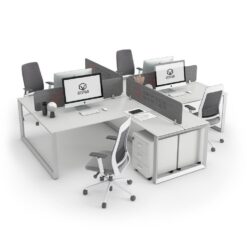
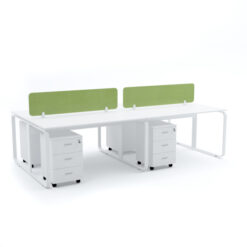
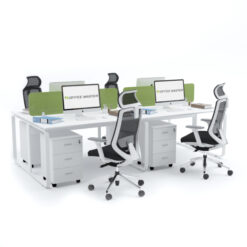
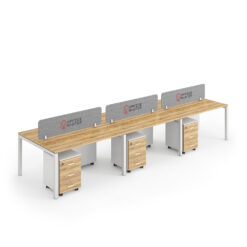
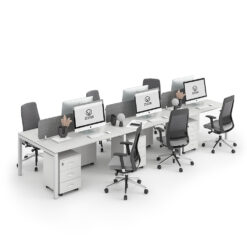
Versatile Workstations
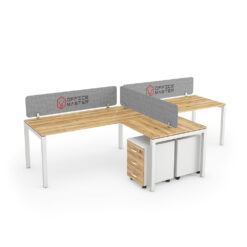
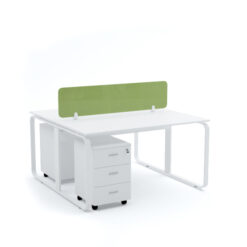
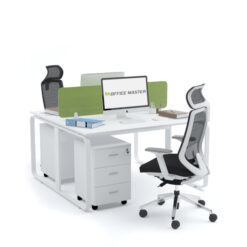
Designing workstations which are versatile and adaptable to various preferences as listed above. This might involve movable components or swappable elements which cater to the specific needs of sinistral and dextral users.


Workstations


Workstations

Workstations
Workstations


Workstations


Workstations



Workstations
Workstations
Workstations


Workstations
User-Centric Research
Conduct thorough user research to understand the specific challenges faced by both left-handed and right-handed individuals in the office environment. This data will inform design decisions and establish solutions tailored to real-world workspace needs.
Feedback and Iteration
Gather feedback from users during the design and implementation phases. Regularly iterate on designs based on user input to refine and improve the harmonization of sinistral and dextral elements.
Clear Workspace Zones
Designate specific zones within the workspace for different tasks, considering the handedness preferences for each. For example, create designated areas for left-handed or right-handed tool use to minimize interference and enhance efficiency.
Customization Options
Offer customization options for office furniture, allowing users to personalize their workspace based on their handedness. This might include adjustable desk layouts, keyboard and mouse placement, and other customizable features.
Employee Training
Provide training and awareness programs for employees to understand and adapt to a workspace that caters to both left-handed and right-handed individuals. Education can help promote a culture of inclusivity and cooperation.
Technology Integration
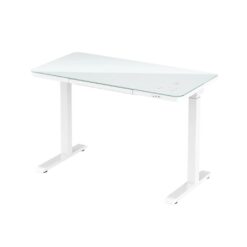
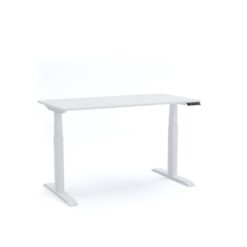
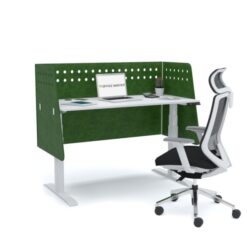
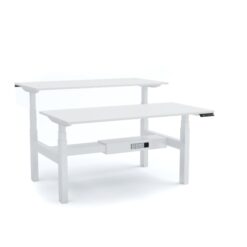
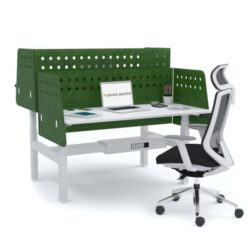
Leverage technology to create smart, adaptable office furniture solutions. For example, desks with programmable height adjustments or voice-activated controls can accommodate the preferences of both sinistral and dextral users.

Height Adjustable Desks
Height Adjustable Desks
Height Adjustable Desks
Continuous Evaluation
Regularly assess the effectiveness of the designed solutions. Consider evolving workplace dynamics, technological advancements, and user feedback to ensure that the harmonization of sinistral and dextral elements remains relevant and effective over time.
Handedness Design Challenges and Solutions
Challenges |
Solutions |
|
| Tool and Equipment Accessibility | Tools and equipment designed primarily for right-handed users can be challenging for left-handed individuals to access and use comfortably. | Designing tools with ambidextrous features or creating left-handed versions to ensure equal accessibility for all users. |
| Workspace Arrangement | Traditional office and workspace layouts may not consider the handedness of individuals, leading to discomfort and inefficiency. | Implementing flexible and customizable workspaces adaptable to suit the preferences of both left-handed and right-handed users. |
| Writing Surfaces and Instruments | Standard desks and writing instruments are often designed with right-handed users in mind, making it challenging for left-handed individuals to write comfortably. | Providing adjustable desks or alternative writing surfaces such as Whiteboards and Presentation Tools and offering left-handed versions of common writing instruments. |
| Computer Peripherals | Standard computer mice and keyboards are typically designed for right-handed use, potentially causing discomfort for left-handed users. | Offering ambidextrous or left-handed versions of computer peripherals and providing settings for easy customization. |
| Educational Settings | Educational materials, such as notebooks and textbooks, may not be optimized for left-handed use. | Advocating for inclusive educational materials and creating awareness about the unique needs of left-handed individuals in educational settings. |
Where to Find Both Sinistral and Dextral Designed Office Furniture in Dubai?
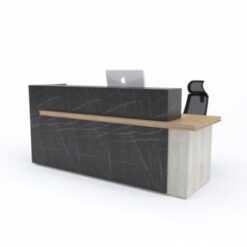
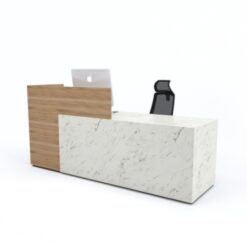
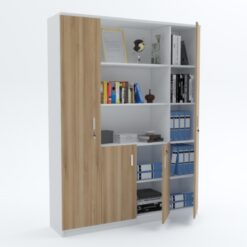
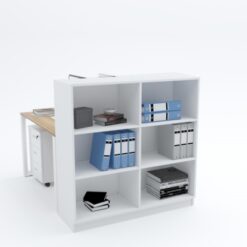
The right place to find such well-engineered modern office furniture is OfficeMaster Dubai. Reason being that, we consider how office furniture handedness dynamics urgently requires rethinking workspace layouts in order to incorporate the minority sinistral design (Left Handed). We further consider the placement of pedestals, the design of chairs to effectively boost user’s productivity. OfficeMaster greatly contributes to creating inclusive and ergonomic solutions aimed at overall usability and satisfaction of both the left and right handed individuals. Here some of the Reception desks and Storage units requiring much attention when deploying the in workspaces.


Reception Desks

Reception Desks


Reception Desks

Reception Desks


Reception Desks


Reception Desks


Reception Desks

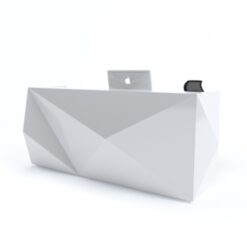
Reception Desks
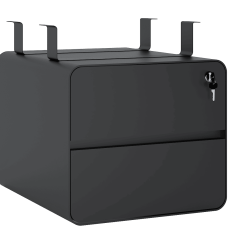
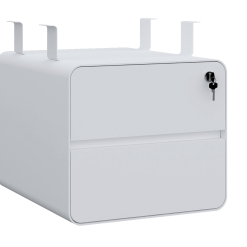
Accessories


Wooden Storages
Wooden Storages

Wooden Storages


Wooden Storages


Wooden Storages
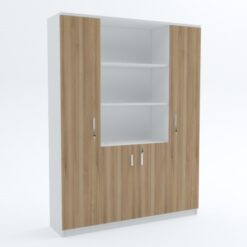
Wooden Storages

Wooden Storages
As the landscape of the modern workplace always evolves with diversity, inclusivity builds the pillars for innovation and progress. Today, we extend a passionate call to the heart of the office furniture industry, urging a collective commitment to integration of handedness dynamics. It is time to reimagine workspaces that embrace the rich tapestry of human diversity, accommodating varied preferences and needs. This is a shared vision for an industry that champions diversity, equity, and inclusion. Let us rise together, inspired by the prospect of workspaces that empower every individual.
