


Blog
Do Headrests Make an Office Chair Ergonomic?

Apr
Office chair headrests have become a subject of debate and interest among the various elements of ergonomic office chairs. While the design of office furniture has a profound impact on health, productivity and overall well-being, ergonomics becomes the center of this concept. In this case, it seeks to optimize the interaction between individuals and their workspaces to promote comfort and prevent injury. In modern workspaces where individuals spend significant portions of their day seated at a desk, a query emerges to whether headrests truly enhance the ergonomic qualities of office chairs. Through an exploration of research findings and potential limitations, we get insights into the effectiveness of headrests in contributing to a healthier and more comfortable work experience. This actually rounds-off to their relevance and classification as ergonomic office furniture
Pros and Cons of Chair Headrests.
While headrests offer notable ergonomic advantages such as neck support and posture enhancement, their efficacy is contingent upon factors like adjustability, individual comfort preferences, and cost considerations. Critical assessment of these pros and cons becomes imperative when determining the suitability of headrests attached to an office chair design.
Pros:
-
Neck Support
Headrests serve as a crucial support mechanism for the cervical spine, particularly during prolonged sitting. A headrest mitigates strain on neck muscles by providing a surface for the head to rest against. This actually minimizes discomfort and potential musculoskeletal issues.
-
Enhanced Posture:
Proper alignment of the head and neck is pivotal for maintaining ergonomic posture while seated. Headrests encourage users to maintain a neutral head position. This facilitates spinal alignment and alleviates the risk of slouching. Without doubt, promoting overall musculoskeletal health.
-
Stress Alleviation:
While supporting the head and neck leads to a more relaxed sitting experience, headrests reduces tension and stress in these areas. This cushioning of physical stress contributes to improved comfort which may enhance focus and productivity during extended work periods.
Cons:
-
Limited Adjustability:
Many headrests lack sufficient adjustability to cater to diverse office furniture user needs and preferences. Such limitations to customization can compromise their effectiveness in providing optimal support for individuals of varying heights and body types. This potentially leads to discomfort or inadequate support by office furniture.
-
Individual Comfort Variability:
While some users benefit from headrests, others may find them uncomfortable or unnecessary. Factors such as headrest design and positioning may significantly impact user comfort. In this case, poorly designed or improperly positioned headrests potentially worsen discomfort rather than alleviating it.
-
Cost Implications:
Equipping office chairs with headrests incurs additional costs compared to their non-headrest counterparts. For organizations mindful of furniture budgetary constraints, the added expense of headrests are usually perceived as unjustifiable. Usually while balancing against alternative ergonomic features which are prioritized within limited resources.
Does A Headrest Make Any Office Chair Ergonomic Furniture?
Yes, a headrest is one of the priority elements contributing to a top quality ergonomic chair. The headrest is purposeful for providing head and neck support while working on tasks requiring leaning back. In order to maximize performance and individual comfort while seated for prolonged hours, consider all other office chair ergonomic adjustability features. Currently, these include and not limited to; lumbar support, seat depth and width, armrest and overall chair design. All these features optimally work together to;
- Promote proper posture
- Support natural body movements
- Reduce the risk of musculoskeletal discomfort or injury.
While office chair with headrests offer additional support and comfort, their effectiveness depends on factors such as;
- Adjustability
- User preferences
- Individual body characteristics like weight and height.
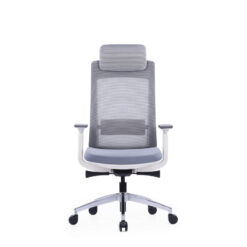
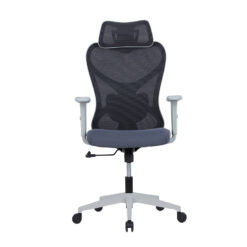
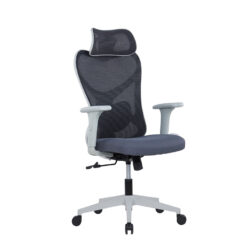
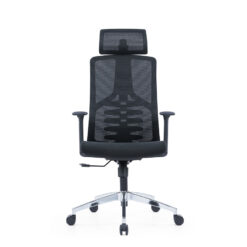
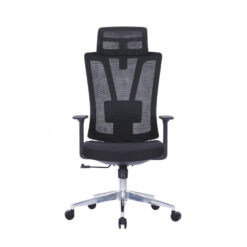
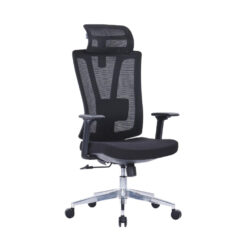
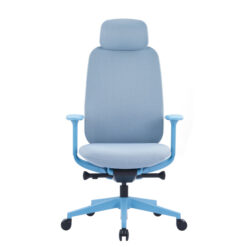
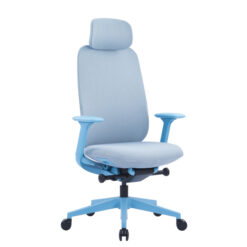
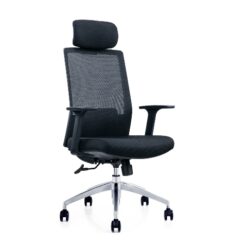
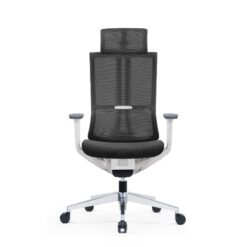
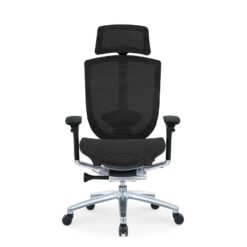
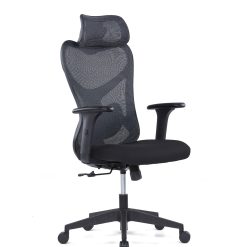
Some of these ergonomic office chairs in Dubai with headrests include; ERGO PLUS Blue Ergonomics Chair, MARO Ergonomics Chair, OLGA Ergonomic Mesh Chair, PHINIX Mesh Ergonomic Chair, YARK Mesh Ergonomic Chair, AERO Mesh Ergonomic Chair, EIFFEL Mesh Ergonomic Chair, EIFFEL White Frame Mesh Ergonomic Chair, DRIN Mesh Ergonomic Chair, ERGO FREN Mesh Ergonomic Chair, COOPER High Back “Mesh Chair”, EMBRACE Full Mesh Ergonomic Chair, RADIAN White Frame Mesh Ergonomic Chair, ERGO FLY Full Mesh Ergonomic Chair and many more
Therefore, while a headrest can be a valuable component of an ergonomic office chair, it is just one aspect to consider among many. A chair must incorporate a combination of features and adjustments tailored to the needs of its users to truly qualify as ergonomic furniture.
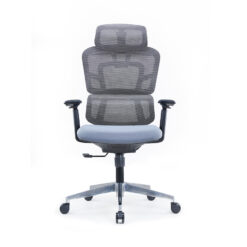
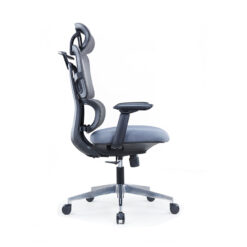
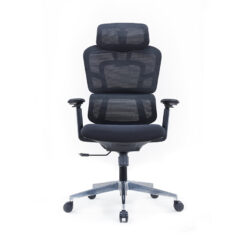
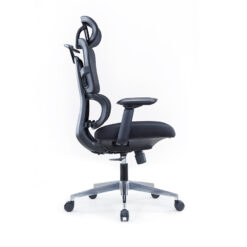
Best Ergonomic Office Chairs With A Headrest


Chairs




Chairs

Chairs
Chairs


Chairs




Chairs
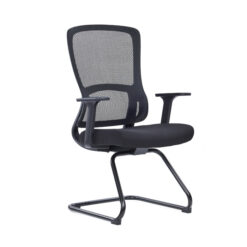

Chairs


Chairs


Chairs


Boardroom/Visitor Chairs
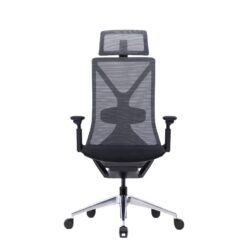

Ergonomic Chairs


Ergonomic Chairs

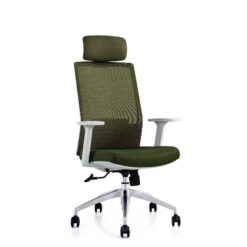
Mesh Chairs
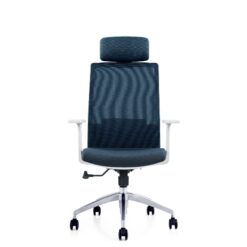
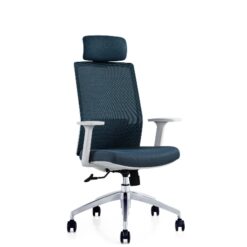
Mesh Chairs
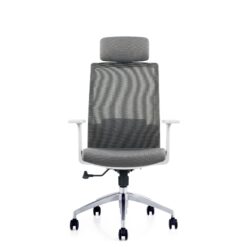
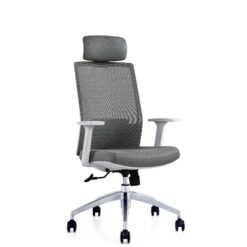
Mesh Chairs
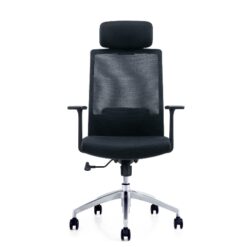
Mesh Chairs

Ergonomic Chairs


Ergonomic Chairs


Ergonomic Chairs


Chairs

Chairs

Chairs


Ergonomic Chairs


Ergonomic Chairs
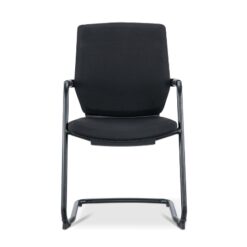

Boardroom/Visitor Chairs
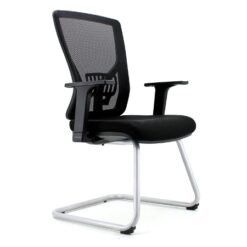
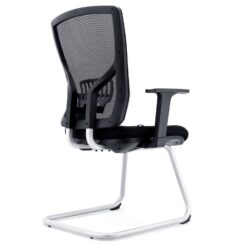
Boardroom/Visitor Chairs


Boardroom/Visitor Chairs


Ergonomic Chairs
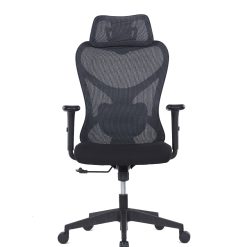
Ergonomic Chairs
