


Blog
Why Right-Handed Office Desks are Standard in Offices Globally?

Dec
Have you ever contemplated the prevalence of right-handed office desks in professional settings? The standardization of right-handed workstations is a ubiquitous phenomenon in offices globally, and delving into the reasons behind this trend unveils a fascinating exploration of ergonomic design and workplace preferences. So, here we unravel the factors that have contributed to the widespread adoption of right-handed office desks, shedding light on the intricate balance between functionality, tradition, and the evolving dynamics of contemporary workspaces. Let’s uncover the rationale behind why right-handed desks have become the norm, shaping the landscape of office environments worldwide especially in Dubai.
Handedness Background
The commonness of right-handedness than left-handedness in the global population estimates at 90% right-handed whereas 10% left-handed. However, these percentages can vary across different populations and cultures. It’s important to note that handedness is a spectrum with some individuals exhibiting mixed-handedness or ambidextrous tendencies. For this reason, there people who use both hands for different tasks. However, cultural and societal factors probably influence the expression of handedness.
While the majority of people are right-handed, the variation in handedness distribution is a natural aspect of human diversity. Left-handed individuals contribute to the richness of this diversity, and many aspects of daily life. As we include ergonomic designs and cultural practices, we consider the preferences of both right-handed and left-handed individuals.
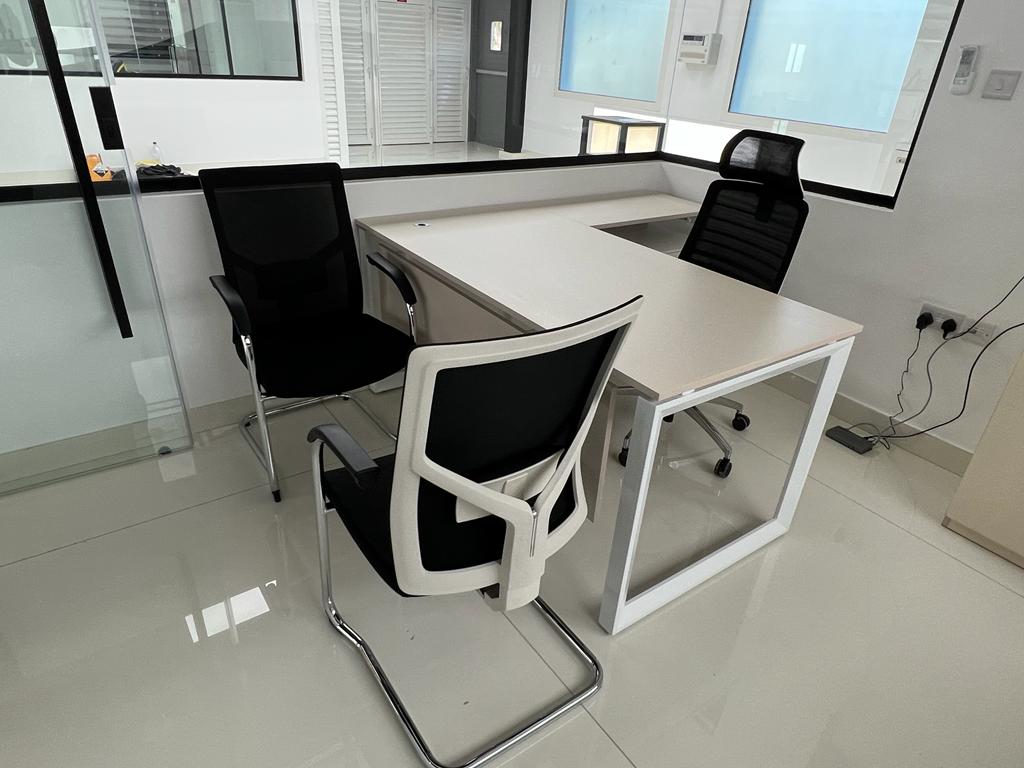
Here is Why.
The dominance of right-handed office desks stems from a combination of ergonomic design considerations, historical practices, and societal norms. Ergonomically, the majority of the population is right-handed, leading to the placement of primary workspace tools such as computer accessories like mice and keyboards. Additionally, historical influences, including traditional writing practices and the design of early office furniture, have contributed to the standardization of right-handed desks. Societal norms that emerged over time further reinforced this convention. While there’s an increasing awareness of the need for more inclusive and adaptable office designs, the prevalence of right-handed desks persists as a deeply ingrained convention in the world of office furniture and layout. As workplaces evolve and diversify, ongoing discussions about inclusive design may prompt shifts in these norms. Due to the evolution of workplaces to start seeking for all user inclusion, that’s where the left-handed also get catered to.
Ergonomic Considerations Favoring the Dominance of Right-handed Office Desks
Several ergonomic considerations favor the dominance of right-handed desks, aligning with the natural preferences and movements of the right-handed majority. Key ergonomic factors contributing to this dominance include:
-
Tool Placement:
Right-handed desks feature design facilitating placement of essential tools such as computer mice and keyboard numerical pads on the right side. This caters to the dominant hand’s natural movements, reducing strain and enhancing comfort during day-to-day tasks.
-
Mouse Accessibility:
As modern work calls for a combination of an ergonomic office desk with a computer, Computer mice design dictates for right-handed use. In fact, its ergonomic contours suited to the right hand’s shape. Placing the mouse to the right of the keyboard on the desk allows for a more seamless and comfortable workflow for right-handed individuals.
-
Document Placement:
While considering the left-to-right reading and writing direction in many cultures, office desks feature a configuration supporting this flow. Placing documents and writing materials on the right side of the desk aligns with right-handed users’ intuitive workspace organization.
-
Accessibility of Controls
Controls and buttons on electronic devices take the right hand position for convenient access. This design consideration favors the right-handed users to effortlessly manipulate settings and features.
-
Writing Surface Orientation:
Office desk design begins with a flat, expansive surface extending from left to right. This basically favors right-handed users who naturally move from left to right when writing or working.
-
Drawer and Storage Configuration:
Drawers and storage compartments on desks are often pre-configured for right-handed accessibility. Placing these features on the right side allows for easy access to frequently used items without hindering the user’s dominant hand (dextral).
-
Traditional Writing Practices:
Historical emphasis on right-handed writing practices, which influenced the design of desks, continues to shape ergonomic design considerations. Many individuals are taught to write with their right hand, and desk designs accommodate this traditional approach.
While contemporary awareness of inclusivity and ergonomic design has led to efforts to create more adaptable workspaces, the historical practices of right-handed dominance have left a lasting impact on office furniture design conventions. It is essential to recognize these historical influences to understand the context behind the prevalence of right-handed office desks.
Historical Practices and Considerations Fostering Right-Handed Office Desks
The historical considerations leading to right-handed dominance basically roots from traditional practices, cultural biases as well as the evolution of writing tools. Several key factors have contributed to the prevalence of right-handed desks throughout history:
-
Writing Traditions and practices:
Historically, writing systems, traditions and practices favored right-handed individuals. Many writing systems, including Latin script, are designed for right-to-left writing which aligns with the natural motion of the right hand. This influenced the design of desks to accommodate right-handed writers.
-
Cultural Bias:
Various cultures historically exhibited a bias toward right-handedness. Until now, some societies still consider right-handedness as either the norm or a more socially acceptance. The dominant hand became prioritized when designing for tools and office furniture elements. Many cultures have historically favored right-handedness over left-handedness. Just because right-handedness associates with being “normal” or “correct” empowers crafting office desks which accommodate the majority.
-
Quill and Ink Usage:
During periods when quill pens and inkwells were prevalent writing instruments, the setup of desks often accommodated right-handed users. The right side of the desk was designated for inkwells which basically allowed for easy access as well as efficient writing with the right hand.
-
Office Practices:
Early offices and workplaces denote influence of the dominant use of the right hand for writing and other tasks. The design of office desks in such settings reflected the practicality and efficiency of aligning with the right-handed majority.
-
Cultural Influence on Writing Direction:
Cultures with a left-to-right writing direction contributed to the placement of writing surfaces on the right side of the desk, aligning with the natural movement from left to right.
-
Tradition in Furniture Design:
As the design of furniture evolved over centuries, right-handed desks became a standard convention. This convention persisted through various historical periods and influenced subsequent generations of office furniture.
While contemporary awareness of left-handed preferences and inclusive design has led to more adaptable workspaces, the historical dominance of right-handed desks remains a lasting legacy. Understanding these historical considerations provides insights into the roots of this design convention in office furniture.
Societal Norms for Standardizing Desks in Offices
The standardization of right-handed desks in offices is also deeply influenced by societal norms that have historically favored right-handedness. Several factors contribute to this standard norm:
-
Social Stigma:
Throughout history, left-handedness was stigmatized. In this case, considering left-handedness as either unconventional or even associated with negative superstitions. Therefore, paving way for the preference of right-handed office desks.
-
Tool Design:
Many tools and devices design firstly consider the right-handed users in mind, from computer mice to scissors. The consistency in right-handed tool design aligns with the societal norm and reinforces the prevalence of right-handed desks.
-
Historical Practices:
Early writing and office practices, influenced by cultural biases, established a precedent for right-handed dominance. As these practices became entrenched, the design of offices and desks followed suit.
-
Ergonomic Considerations:
The ergonomic design of tools and furniture often prioritizes the preferences of the right-handed majority. This design aligns with the natural movements of the right hand and contributes to a more comfortable and efficient workspace. The natural movements of the right hand refer to the typical and instinctive motions that the majority of individuals perform with their right hand due to handedness preferences. It becomes the hand primarily used for skilled activities, strength, and precision. For example, writing, drawing, and manipulating objects.
Popular [Dextral] Right-Hand Side Office Desks


Office Desks

Office Desks


Office Desks


Office Desks


Workstations


Office Desks


Office Desks
Ambidextrous Office Desks (For Both the Left and Right-Handed)
Office Desks
Height Adjustable Desks


Office Desks


Workstations

Height Adjustable Desks


Workstations

Office Desks
Height Adjustable Desks
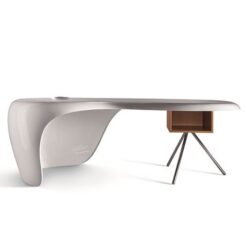
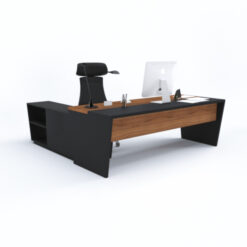
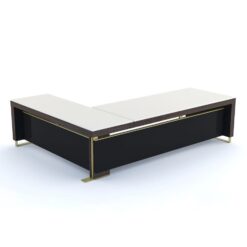
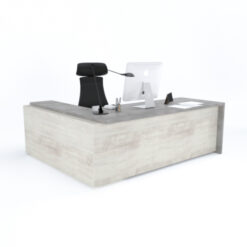
Right Handed Executive Office Desks in Dubai

Executive Office Desks


Executive Office Desks


Executive Office Desks


Executive Office Desks

Executive Office Desks


Executive Office Desks


Executive Office Desks


Executive Office Desks


Executive Office Desks

Executive Office Desks

Executive Office Desks
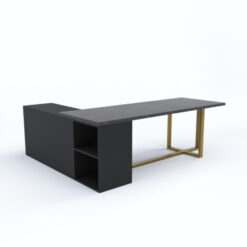

Executive Office Desks
