


Blog
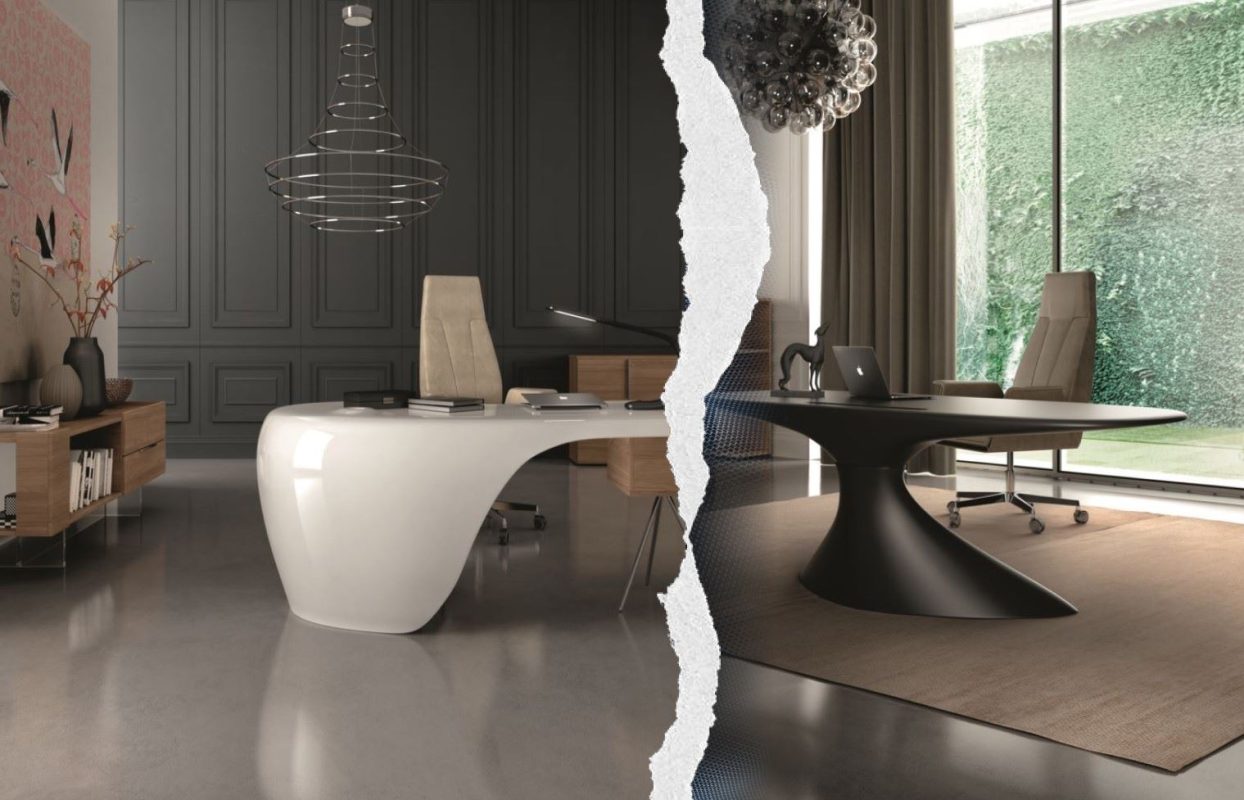
Does Office Furniture Shape Matter in Modern Workspaces?
Dec
Does Office Furniture Shape Really Matter? Yes, it matters a lot. In the realm of modern workspaces, the influence of office furniture extends far beyond mere utility; it plays a nuanced role in shaping the dynamics of the workplace environment. The query of whether the shape of office furniture holds significance is not merely a matter of aesthetics but delves into the realms of comfort, productivity, and the overall well-being of employees. Beyond the surface of office furniture, we have to crystallize the impact exerted by different design choices on the well-being and performance of individuals within these spaces. We have to decipher the intricate language spoken by the contours of the various workstations. This simply encapsulates our profound exploration into the symbiotic relationship between the physical structures filling our professional environments and the nuanced rhythms of human interaction and productivity.
Context of Office Furniture shapes.
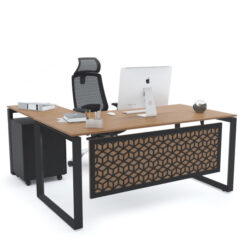
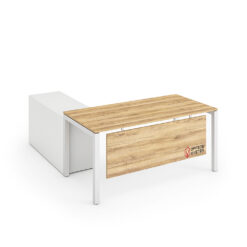
Understanding the significance of office furniture shape requires delving into the historical and contextual dimensions of workplace design. Historically, office spaces were often characterized by rigid layouts and standardized furniture, reflecting a utilitarian approach to work environments. However, as OfficeMaster’s understanding of employee well-being and productivity evolved, so did the approach to office furniture. The late 20th century witnessed a paradigm shift towards more flexible and ergonomic designs, influenced by studies on human factors and the acknowledgment that the physical workspace profoundly impacts individual performance. Additionally, the rise of technology and changes in work culture have further shaped the contemporary office landscape, necessitating a reevaluation of the traditional norms associated with office furniture shape. Listed below are the different variation of Office furniture in corresponding types and shapes, these include office desks, reception desks, executive desks, workstations, ergonomic office chairs, visitor chairs, storages and sofas
Why Shape of Office Furniture Matters?
In essence, the consideration of why the shape of office furniture matters revolves around its profound impact on the physical well-being, comfort, productivity, and the overall work experience of individuals within a dynamic and evolving professional landscape.
-
Ergonomics and physical health
Well-designed furniture shapes contributes to ergonomic excellence. Ergonomics focuses on creating workspaces suiting human physiology and movement, reducing the risk of discomfort, musculoskeletal issues, and enhance overall physical health by promoting proper posture and natural movements.
-
Employee comfort and satisfaction
The shape of furniture directly impacts the comfort of employees. Comfortable and thoughtfully designed furniture shapes enhance the overall well-being of individuals, creating a positive and supportive work environment. The physical comfort derived from well-designed furniture shapes positively influences morale, motivation, and job satisfaction, fostering a more content and engaged workforce.
-
Productivity and Efficiency
The shape of office furniture affects the layout and functionality of workspaces. Optimal furniture shapes facilitate efficient workflows, minimize distractions, and create an organized environment, directly impacting employee productivity and overall work efficiency.
-
Aesthetic Appeal and Workplace Culture
The visual aesthetics of office furniture shapes contribute to the overall ambiance of the workplace. The shape of furniture reflect and reinforce organizational culture, conveying messages of innovation, collaboration, or professionalism just like reception desks. The aesthetics of office furniture contribute to the visual identity and branding of a company. Thoughtfully designed furniture shapes can reflect the brand’s personality, values, and narrative, creating a cohesive visual language resonating with employees and visitors alike.
-
Adaptability to Technological Advancements
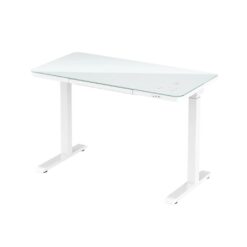
With the evolution of technology, the shape of office furniture must adapt to accommodate modern work tools and devices. Thoughtful furniture shapes can integrate seamlessly with technology, providing ergonomic solutions for the use of computers, laptops, and other electronic devices. For example, the Height Adjustable desk with wireless charging capabilities and USB ports.
-
Collaboration and Communication
Furniture shapes play a role in shaping the layout of collaborative spaces. Well-designed shapes encourage interaction, teamwork, and effective communication among employees, fostering a collaborative work culture. For example, Workstations and ergonomic office chairs featuring caster wheels.
Furniture shapes play a role in shaping the layout of collaborative spaces. Well-designed shapes encourage interaction, teamwork, and effective communication among employees, fostering a collaborative work culture. For example, Workstations and ergonomic office chairs featuring caster wheels.
Challenging Assertions on Office Furniture Shape
While recognizing the importance of office furniture shape, it is essential to acknowledge opposing viewpoints that question its overall significance in the workplace. These counterarguments offer alternative perspectives challenging the prevailing emphasis on the form of office furniture.
| Opposing Viewpoint | Solution | |
Functionality Over Aesthetics |
Some argue that the functional aspects of office furniture, such as ergonomic design and practical utility, should take precedence over aesthetic considerations. They posit that prioritizing functionality ensures that furniture serves its primary purpose without unnecessary distractions. | While acknowledging the importance of functionality, it’s essential to recognize that aesthetics can enhance the overall work environment. A balance between functionality and aesthetics ensures that the workplace is not only efficient but also visually appealing, contributing to employee satisfaction and well-being. |
Budget Constraints |
Critics point out that budget constraints within organizations can be a limiting factor. They argue that allocating resources to prioritize aesthetic considerations might not be feasible in financially constrained scenarios. In such cases, proponents advocate for directing resources towards more practical aspects.
|
Budget constraints are a legitimate concern. However, investing in well-designed furniture does not necessarily entail extravagant costs. Strategic planning and selecting cost-effective yet aesthetically pleasing options can strike a balance between budget limitations and the desire for an appealing and functional workspace. |
Individual Preferences |
Another perspective suggests that preferences for furniture shapes vary widely among individuals. Advocates of this viewpoint argue that enforcing a uniform aesthetic may not align with the diverse tastes and preferences of employees, and allowing personalization could be more impactful in a workspace.
|
Recognizing individual preferences is valid, and customizable elements in office design can accommodate diverse tastes. However, establishing a cohesive aesthetic within the workplace can contribute to a unified and professional atmosphere. Striking a balance that allows for personalization within a broader design framework is key. |
Evolving Work Environments
|
With the rise of remote and flexible work arrangements, some contend that the physical shape of office furniture becomes less relevant. They argue that the significance of office furniture shape diminishes in a landscape where virtual workspaces and adaptability take precedence.
|
While remote work is on the rise, physical office spaces remain integral for collaboration and organizational culture. The design of these spaces, including furniture shape, plays a role in creating a welcoming and inspiring environment when employees are present. A hybrid approach considering both physical and virtual needs may be optimal.
|
Rapid Technological Changes |
Skeptics highlight the rapid pace of technological advancements, suggesting that investing too heavily in aesthetically driven designs may lead to a shorter lifespan for furniture. They argue that more adaptable and timeless alternatives can withstand technological changes.
|
Acknowledging the pace of technological changes is essential. However, integrating technology-friendly furniture does not necessarily compromise aesthetics. Thoughtful design incorporating adaptable features can future-proof the workspace, ensuring furniture remains functional and visually appealing amidst technological advancements.
|
While these opposing viewpoints challenge the predominant emphasis on office furniture shape, they also underscore the need for a balanced approach that considers both aesthetic and functional aspects. Acknowledging these perspectives enriches the discourse surrounding the role of office furniture in the modern workplace. our comprehensive exploration underscores the multidimensional impact exhibited by well-designed furniture shapes has on the work environment.
Recommendations to Adapting Office Furniture Shapes
Holistic Design Approach
Embrace a holistic approach to office design that considers both functionality and aesthetics. Collaborate with office furniture manufacturers, suppliers and design professionals to create workspaces that seamlessly integrate visually appealing furniture with ergonomic considerations.
Employee Involvement
Involve employees in the any interior furniture design process to understand their preferences and needs. Offering choices or customizable elements contributes to a more inclusive and personalized workspace, fostering a sense of ownership.
Adaptability and Flexibility
Prioritize furniture which is adaptable to changing work environments. Invest in modular furniture and flexible designs fostering collaboration. Choose comfortable and versatile to accommodate evolving needs, supporting both in-person and remote work scenarios.
Budget-Conscious Selection
Aim for visually appealing designs which explore budget-conscious options aligning with the organization’s financial constraints. Always consider durable and cost-effective solutions which wont compromise on the overall aesthetic vision.
Technological Integration
Stay abreast of technological advancements and integrate smart furniture solutions that enhance the functionality of the workspace. Ensure that furniture designs can accommodate evolving technologies without sacrificing their visual appeal.
Sustainable Practices
Embrace sustainable practices in furniture selection, considering environmentally friendly office furniture composition materials and manufacturing processes. Sustainable designs which contribute to corporate social responsibility resonates positively with environmentally conscious employees.
Continuous Evaluation and Adaptation
Regularly evaluate the effectiveness of the chosen furniture designs in meeting the organization’s goals. Be open to feedback from employees and the general public accessing workplace furniture no matter their physical limitations. Be willing to adapt the workspace to changing needs while ensuring an ongoing alignment with corporate culture.
Cultural Representation
Use furniture designs to symbolize and celebrate the organization’s culture. Incorporate elements which reflect the company’s values, history, and identity to foster a stronger professional image in a workspace. This creates a workplace where employees and clients connect with to a deeper level.
Invest in Employee Well-being
Prioritize furniture that enhances employee well-being, considering ergonomics, comfort, and health-conscious designs as discussed before. Happy and healthy employees contribute to a more vibrant and productive workplace.
Explore Innovative Designs
Encourage a culture of innovation in office design in workspaces by exploring unconventional and creative furniture shapes. Experimenting with innovative designs can inspire a sense of novelty and creativity within the workplace.
In implementing these recommendations, organizations can forge a path towards a well-designed and dynamic workspace meeting functional requirements yet resonating with the cultural identity and aspirations of the workforce.
Furniture Shapes and Variations from OfficeMaster Dubai
Office Desks Shape Variations


Office Desks


Office Desks


Office Desks

Office Desks

Office Desks


Office Desks


Office Desks


Office Desks

Height Adjustable Desks
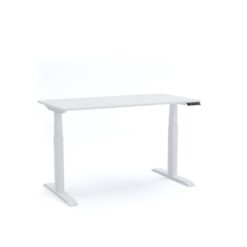
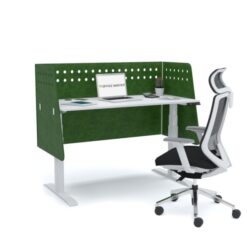
Height Adjustable Desks
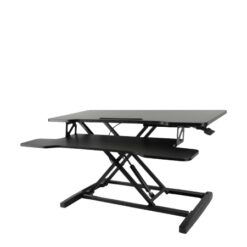
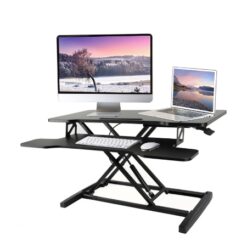
Accessories
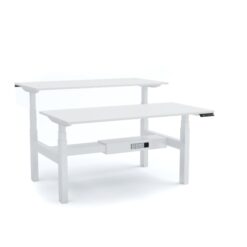
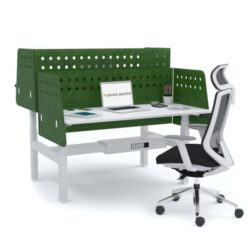
Height Adjustable Desks
Workstations Shape Variations
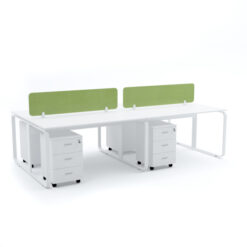
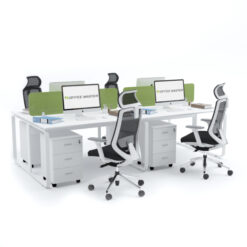
Workstations
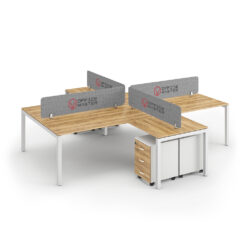
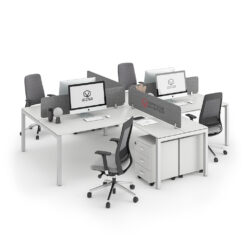
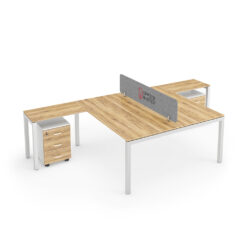
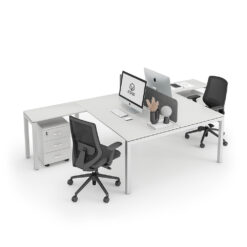


Workstations


Workstations

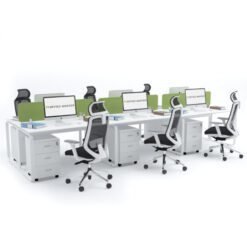
Workstations


Workstations
Executive Office Desks Shape Variations
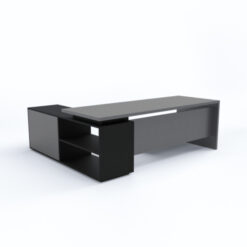

Executive Office Desks
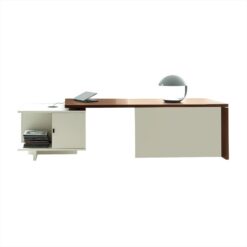
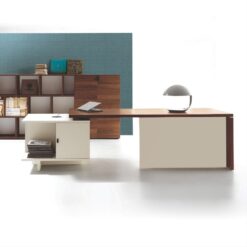
Executive Office Desks
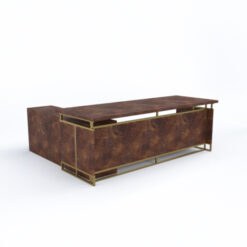
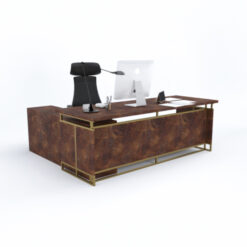
Executive Office Desks


Executive Office Desks


Executive Office Desks


Executive Office Desks


Executive Office Desks


Executive Office Desks


Executive Office Desks

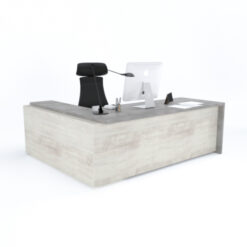
Executive Office Desks


Executive Office Desks
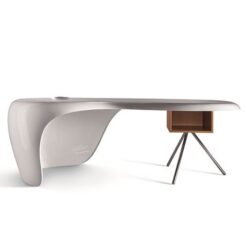
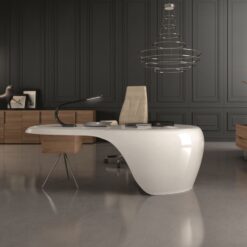
Executive Office Desks
Sofas 2 Seater Shape Variations

Modern Sofas

Classic Sofas

Classic Sofas

Classic Sofas

Classic Sofas

Classic Sofas

Classic Sofas

Modern Sofas

Classic Sofas

Modern Sofas

Modern Sofas

Modern Sofas

Modern Sofas

Classic Sofas
Storage Cabinets Shape Variations


Wooden Storages

Wooden Storages
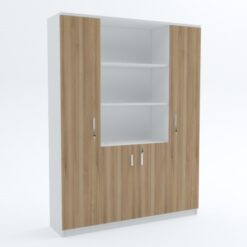
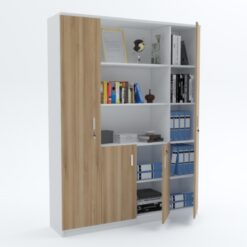
Wooden Storages

Wooden Storages


Wooden Storages

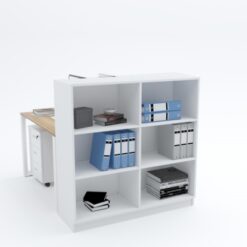
Wooden Storages


Wooden Storages


Wooden Storages


Wooden Storages


Wooden Storages


Wooden Storages
Ergonomic Office Chairs Shape Variations


Mesh Chairs


Ergonomic Chairs
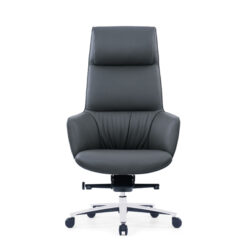
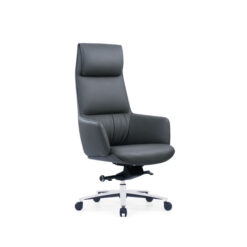

Leather Chairs


Leather Chairs


Ergonomic Chairs
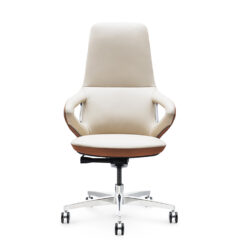
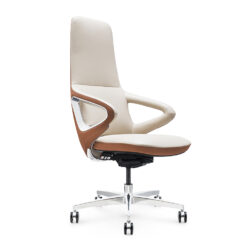
Leather Chairs

Leather Chairs

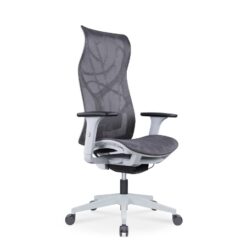
Chairs
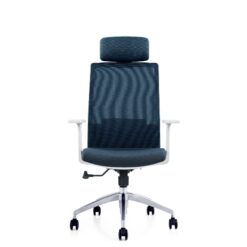
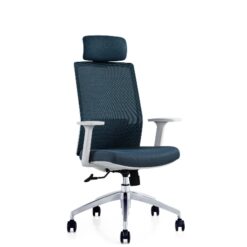
Mesh Chairs


Chairs
OfficeMaster Team Viewpoint
The amalgamation of ergonomic considerations, collaborative designs, and the reflection of corporate culture within the contours of office furniture showcases its pivotal role in fostering a conducive and inspiring workspace. As organizations navigate evolving work dynamics and technological shifts, the balance between functionality and aesthetics emerges as a critical factor in creating workspaces which are efficient while visually appealing and reflective of the organization’s ethos.
Ultimately, the shape of office furniture serves as a tangible manifestation of an organization’s commitment to cultivating a positive and forward-thinking workplace. Striking this delicate balance contributes to a holistic and harmonious work environment. Here employees find comfort, motivation, and a sense of identity within the carefully curated shapes that surround them daily. As we move forward, the evolving landscape of work necessitates a continued exploration of innovative and adaptable designs aligning with the ever-changing needs and aspirations of the contemporary workforce.
